Which Groundwater Detection Technology Is Suitable for Arid Regions in 2026
In 2026, as global climate shifts intensify, finding groundwater in arid regions isn't about "luck" anymore—it's about high-precision, smart tech. In deserts and parched landscapes, choosing the right tool is the difference between hitting a gusher or a dry hole. Here's a breakdown of the top water-detection technologies in 2026 and why Pearldrill is leading the pack.
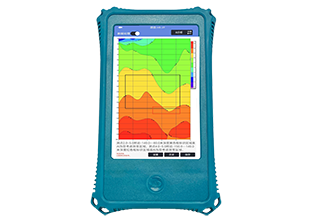
Top Water-Finding Technologies for 2026
1. Natural Electric Field Frequency Selection
This is the "go-to" method because it's cost-effective and efficient. It measures the Earth's natural electromagnetic field to spot electrical differences underground.
The Edge: No bulky power sources needed.
2026 Upgrade: New AI algorithms now filter out interference from dry surface sand, pinpointing deep fissure water with incredible accuracy.
2. Transient Electromagnetic Method (TEM)
TEM sends magnetic pulses underground to see how they decay.
The Edge: It's hyper-sensitive to water. In dry areas where rocks are highly resistive, and water is low-resistive, TEM creates a sharp contrast, making it perfect for finding large, deep aquifers.
3. Nuclear Magnetic Resonance (NMR)
The "Direct Search" method. It detects the magnetic signals of hydrogen nuclei (water molecules) directly.
The Edge: It's the only tech that actually "sees" water rather than just guessing based on soil resistance.
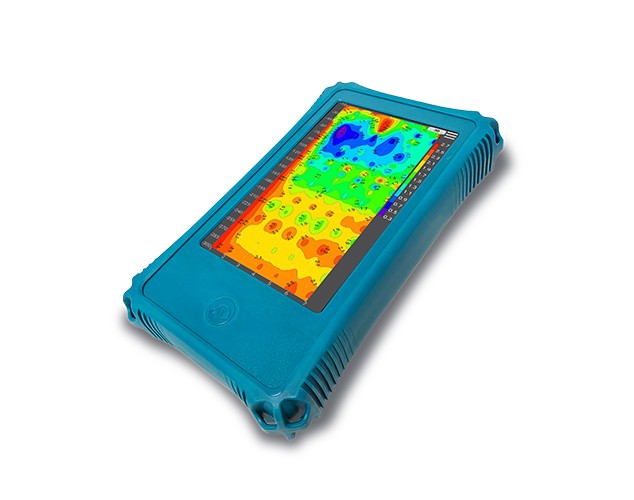
Why Pearldrill is the "Underground Eye" for Arid Regions
Pearldrill's 2026 lineup is specifically tuned for the toughest environments on Earth.
Golden Rod, Groundwater detector, New Generation 2024
Click ☝☝☝ ☝☝☝ ☝☝☝
Why Industry Pros Choose Pearldrill:
1. Deep-Penetrating Power: Shallow ground in deserts is bone-dry. Pearldrill sensors reach depths of 100m to 1,500m, catching the faint signals hidden deep in rock cracks.
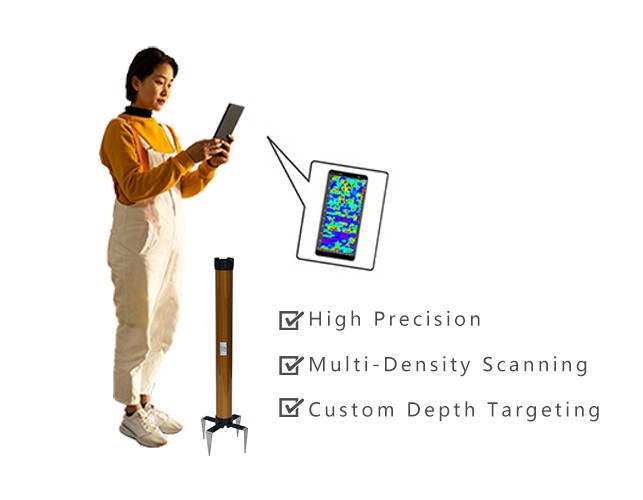
2. Instant 3D Imaging: No more manual data crunching. The device syncs to your phone or tablet via Bluetooth, generating 2D and 3D maps instantly. If you see blue on the screen, you've found water.
3. Smart Anti-Interference: Arid soil can be full of static or minerals that trick basic sensors. Pearldrill's 2026 Adaptive Algorithm filters out the "noise," drastically reducing the risk of drilling a dry well.
4. One-Man Operation: The whole kit weighs just a few kilograms. One person can survey kilometers of land in a day, which is a game-changer for massive desert projects.
Pro Tips for Finding Water in the Desert
1. Look for the Lows: Water naturally settles in lower geological structures, even in the desert.
2. Hunt for Fault Lines: Use Pearldrill's 3D view to find cracks in the bedrock—these are the "storage rooms" for deep pressurized water.
3. The Cross-Check: Always use a "cross-pattern" survey. If the blue signal shows up on both lines, you've found your perfect drilling spot.
 The Bottom Line:
In 2026, tech is the only way to beat the water crisis. For explorers in dry regions, a Pearldrill system isn't just an upgrade; it's your insurance policy for finding life-sustaining water.
Contact us
Want to Know More About How a Particular Detector Works? Contact Us Today!