
As global demand for water resources continues to grow, water well Drilling Rigs are becoming key tools for accessing groundwater. Because of this, the market and technology are constantly evolving. For investors and contractors planning to buy new equipment in 2026, the big question is: How do you pre-select a high-performance, cost-effective drilling rig from all the brands and models out there? This article gives you a comprehensive selection roadmap to help you guarantee project quality and maximize your return on investment.
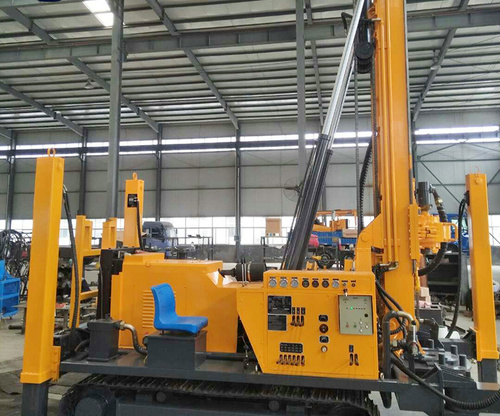
1. Drilling Depth & Hole Diameter: This is the most basic factor that determines the rig's size (light, medium, or heavy duty). Deeper requirements mean you need more power and a stronger structural design.
2. Geological Conditions: Are you mostly dealing with rock and hard soil or sand and soft layers? Different geology requires different drilling technologies (DTH hammer, mud circulation, air drilling) and specific levels of torque and hoist capacity.
3. Site & Mobilization: If you need to frequently move the rig across mountains or rugged terrain, you should prioritize crawler-mounted or truck-mounted rigs with great mobility.
4. Budget: Be clear about your total acceptable investment. This helps you find the sweet spot between features and price.
1. Power and Torque:
Power: This drives your drilling speed and your ability to handle difficult formations.
Torque: This is the key indicator of the rig's rock-crushing capability, especially in hard-geology areas.
2. Hoist Capacity and Feed Stroke:
Hoist Capacity: It must be strong enough to safely lift all your drill tools and handle emergencies like stuck or dropped rods.
Feed Stroke: This determines the length of a single drilling run. A longer stroke means fewer rod changes, which saves you time and boosts efficiency.
3. Hydraulic System: A high-quality hydraulic system is essential for the rig's stability and overall efficiency. Check the brand and sealing quality of the hydraulic pumps and valve groups.
4. Fuel Economy: Consider the engine's brand, model, and its fuel consumption per hour. This is a major factor in your long-term operating costs.
Selection Area
Pearldrill Potential Advantage
High-Value Consideration Point
Technology
They widely use full hydraulic control systems and integrate multiple functions (DTH, Mud, Air).
Confirm if the model you choose comes standard with the drilling mode needed for your geology. Avoid expensive, post-purchase modifications.
Structure
Compact design; some models offer powerful truck or crawler self-propulsion.
Check the material and welding quality of critical parts (mast, rotary table, chassis) to ensure durability under heavy load.
Performance
They focus on drilling efficiency and stability for deep-hole drilling.
Ask for actual data on their similar products in your local geological conditions: completion time and failure rate.
Customer Service
Good international market presence with a technical support network.
Verify your local dealer's response speed, parts supply cycle, and pricing. This is crucial for keeping your machine running.
Selection Tip: When you look at Pearldrill or any other brand, don't just trust the peak performance numbers in the brochure. You should demand to see actual case studies and client feedback from similar geological conditions, and then do a cost-benefit comparison against other equivalent brands.
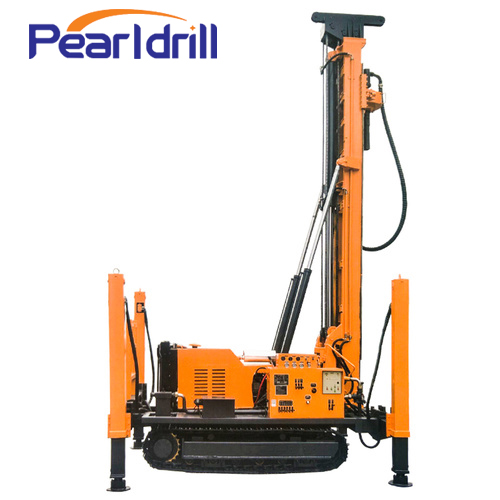
1. Purchase Cost: Bare machine price, shipping fees, and tariffs.
2. Operating Costs (The Biggest Expense):
Fuel/Electricity: This will be your largest ongoing expense.
Parts & Consumables: The wear and tear on drill bits, rods, and mud materials.
Labor Costs: Highly automated rigs can significantly reduce the number of operators you need.
3. Maintenance & Depreciation Costs:
Reliability: Low failure rates and short repair times mean higher rig uptime (more work days).
Resale Value (Residual Value): Well-known, well-maintained equipment holds a much higher value when you eventually decide to sell it.
In Conclusion:
Based on your geology and depth requirements, you need to set the minimum performance specifications for your rig. Shortlist 2-3 reputable brands, including Pearldrill, that meet those specs. Try your best to visit the factory or a job site to personally inspect the build quality and see the equipment actually running. Finally, when you're negotiating the price, make sure you use the after-sales service terms, the price of spare parts, and the warranty period as major bargaining chips.
Contact us
Learn More About Chinese Rigs By Clicking The Link For Answers.
Contact: Mr Chen
Phone: +86 13874354330
Tel: +86 746 8323309
Email: pearldrill02@guangzhouintl.com
Add: 3rd Floor, Wanli Market, Fenghuang Road, Lengshuitan District, Yongzhou City ,Hunan Province China