How to Choose Low-Emission Water Well Drilling Rigs in 2026
With the global focus intensely set on environmental protection and sustainability, the engineering machinery industry is undergoing a massive "green transformation." For water well drilling, choosing a low-emission rig isn't just about following rules—it's key to boosting your company's image and improving operational efficiency. As we head into 2026, how do we make the smart choice among all the low-emission options out there?
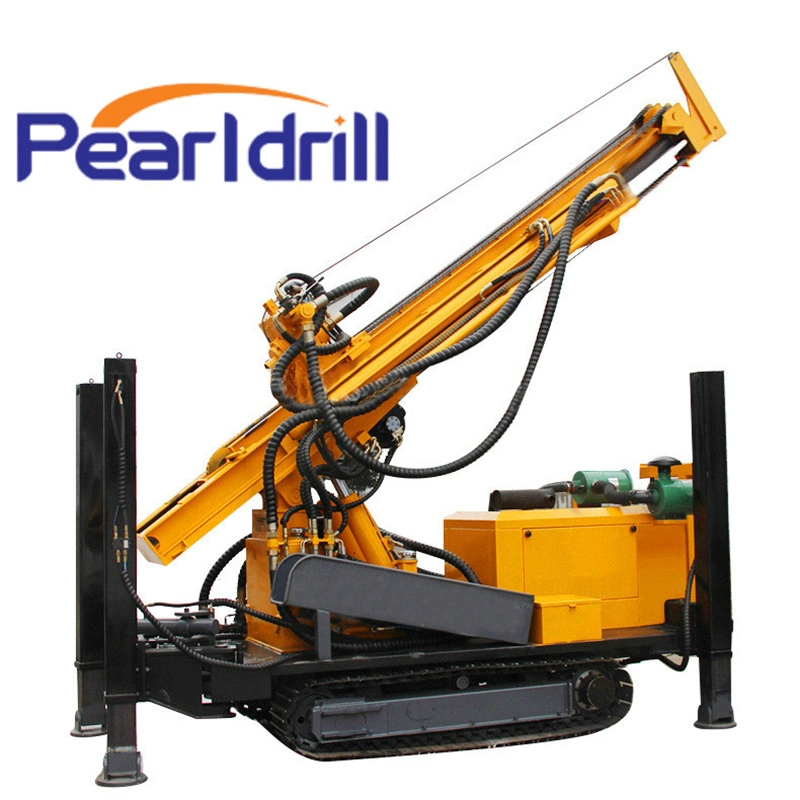
1. Why Go Low-Emission? It's Not Just About the Planet.
Compliance and Future-Proofing: Sticking to increasingly strict international and regional emission standards is a must. You want to avoid huge fines or having your equipment shut down because it's non-compliant.
Environmental Impact: These rigs drastically cut down on nitrogen oxides (NOx), particulate matter (PM), and carbon emissions. This is a huge benefit, especially when working in cities or environmentally sensitive areas.
Fuel Efficiency: Modern, low-emission engines usually come with advanced fuel management systems. This means better combustion efficiency, which translates directly into lower long-term operating costs for you.
Technical Reliability: The new generation of rigs integrates sophisticated control and monitoring tech, giving you more stable equipment and better fault diagnosis capabilities.
2. The Main Technology Paths for 2026
Technology Path
|
How It Works (The Gist)
|
Key Benefits
|
Best For
|
Diesel + DPF/SCR
|
Uses a Diesel Particulate Filter (DPF) and Selective Catalytic Reduction (SCR) to clean up the exhaust.
|
Proven technology, powerful, great for heavy-duty work.
|
Large/mid-sized traditional power rigs, continuous field work.
|
Hybrid (Diesel-Electric)
|
Diesel engine generates power, battery stores it, and electric motor runs the drilling components.
|
Saves fuel during idling, lower noise, ideal for frequent stop-start jobs.
|
Mid-to-small rigs, urban drilling projects.
|
Pure Electric / Battery
|
Power comes 100% from batteries—zero emissions at the source.
|
True zero emissions, extremely quiet, simple maintenance.
|
Small rigs, indoor sites, or projects with extremely strict environmental demands.
|
Our Advice: For rigs needing high power and long hours in the field, the Diesel + DPF/SCR route is still the most reliable mainstream option. For urban work or projects where noise and emissions are critical factors, you should prioritize Hybrid or Pure Electric models.
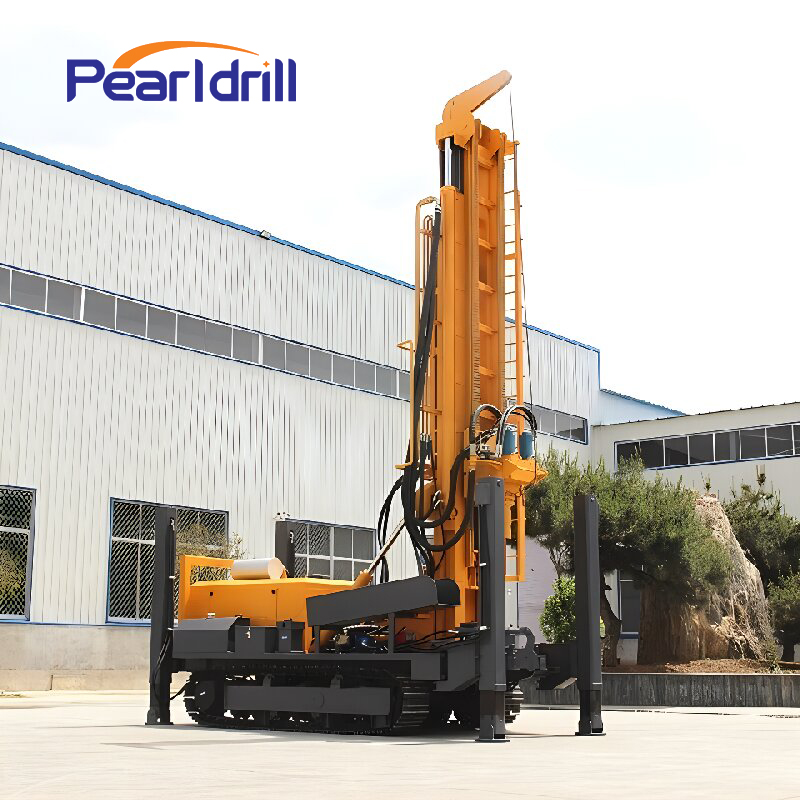
3. How to Evaluate and Choose Your Rig
A. Core Technical Specs
Engine Emission Tier: You absolutely must ensure the rig meets your target market's latest 2026 emission standards (e.g., China Non-road National IV, EU Stage V, or US Tier 4 Final).
Depth and Caliber: Match the rig's power and torque to your actual drilling needs. Performance has to meet the job requirements.
Fuel & Urea Consumption: Pay close attention to the rig's real-world fuel consumption and the AdBlue/urea usage for the SCR system. This directly impacts your operating budget.
B. Smart Features and Automation
Modern low-emission rigs are often much smarter:
Remote Monitoring Systems: This allows you to track the equipment's location, running status, diagnose faults, and monitor emission data in real-time. It massively improves maintenance efficiency.
Automatic Drilling Control: The system can automatically adjust drilling parameters, protecting your tools and boosting efficiency.
C. Brand and Service Support
Choosing a brand with a great reputation and a solid after-sales service network is crucial. A good brand guarantees reliable technology, spare parts availability, and timely, expert repairs.
4. Why is the Pearldrill Brand Getting Attention?
Focus on Customization: Pearldrill often provides modular power configurations tailored for different working conditions and regional emission standards. This means you can select an internationally-renowned engine that meets the specific Tier/Stage requirements of your location, complete with advanced DPF+SCR after-treatment.
Efficient Hydraulic Systems: They use optimized hydraulic designs to reduce energy loss. This makes their fuel consumption more economical for the same power output, indirectly achieving that "low-emission" goal.
Compact Design and Flexibility: Some of their mid-to-small rigs are designed to be powerful yet more compact and easier to transport, which is perfect for complex terrain.
Recommendation: If you're considering a Pearldrill rig, make sure to confirm with the manufacturer the specific emission certification for the engine on the 2026 model, and get details on the maintenance cycle and cost for the after-treatment system.
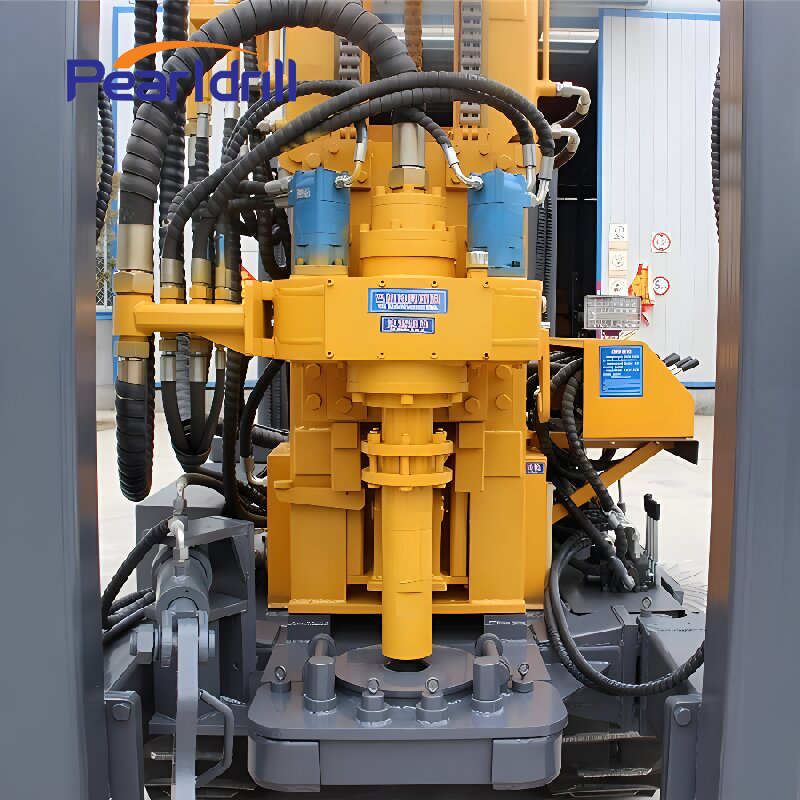 In Summary:
Choosing a low-emission water well drilling rig in 2026 is a balancing act between regulatory compliance, operational economics, and environmental responsibility. You must prioritize models that meet the latest emission standards. Then, factor in the real-world working conditions to balance the rig's performance, energy consumption, and after-sales support. Specialist brands like Pearldrill can offer targeted, technically mature low-emission drilling solutions.
Contact us
Learn More About Chinese Water Well Drilling Rigs By Clicking The Link For Answers.