Top 5 Critical Factors Shaping the Price of Underground Water Detectors in 2026
With water getting scarcer and industries like smart farming and geological surveying booming, underground water detectors are more in demand than ever. Heading into 2026, the market is getting competitive and tech is moving fast. If you're wondering why prices vary so much, here are the five big reasons.
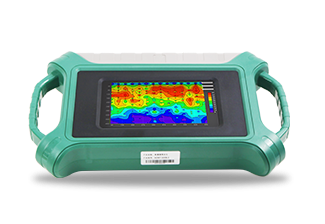
1. High-Tech Sensors and AI Brains
This is the biggest price driver. By 2026, top-tier detectors aren't just "listening"—they're using multi-frequency tech and AI to "see" through the ground. Brands with their own tech—like Pearldrill and their "AI Waveform Analysis"—can filter out background noise and pinpoint exactly where the water is. You're paying for that accuracy; a smart machine that gets it right the first time costs way more than a basic entry-level model.
ADMT 300S-X Single Channel Groundwater Detector ☚☚ Click
2. Build Quality and Ruggedness
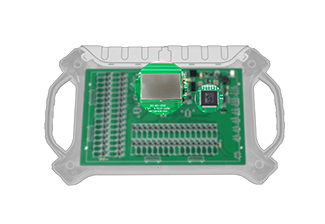
Fieldwork is tough on gear. In 2026, the best tools are built with aerospace-grade composites and specialized waterproofing. These materials make the device last longer and survive drops or harsh weather. While the upfront cost is higher, it saves you money on repairs down the road. Basically, you're paying a premium for a "workhorse" that won't quit on you in the middle of nowhere.
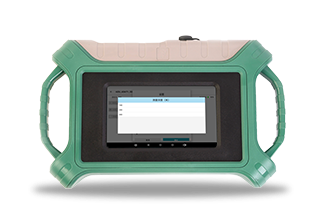
3. Software and "Smart" Features
A underground water detector isn't just a standalone tool anymore; it's a mobile data terminal. Today's high-end models sync with the cloud, GPS systems, and even automated irrigation software. When you buy a device now, you're often buying into an entire ecosystem of data analysis and team collaboration tools. That "Hardware + Software" combo is a huge part of the price tag for professional-grade kits.
4. Supply Chains and Market Demand
The "boring" stuff matters too. Prices fluctuate based on the cost of chips, rare metals, and shipping. If there's a sudden spike in demand in one part of the world, or if global supply chains get hit, prices go up. Companies that can keep their supply chains steady usually have more stable—and competitive—pricing.
5. Brand Trust and Expert Support
In this industry, a brand name is a promise that the tool actually works. Established brands like Pearldrill charge a "trust premium" because they have proven themselves over decades. But it's not just the name—it's the 24/7 expert support, global warranties, and regular software updates. You're paying for the peace of mind that if something goes wrong, someone will be there to fix it.
The Bottom Line:
Don't just look at the sticker price. Think about the tech, how long it'll last, and the support you'll get. The smartest investment is the one that fits your specific job and won't let you down when it counts.
Click the Link to Contact Us Immediately and Learn More About Water Detectors.
Contact us