How to Choose the Right Water Well Drilling Rig for Different Soil Conditions
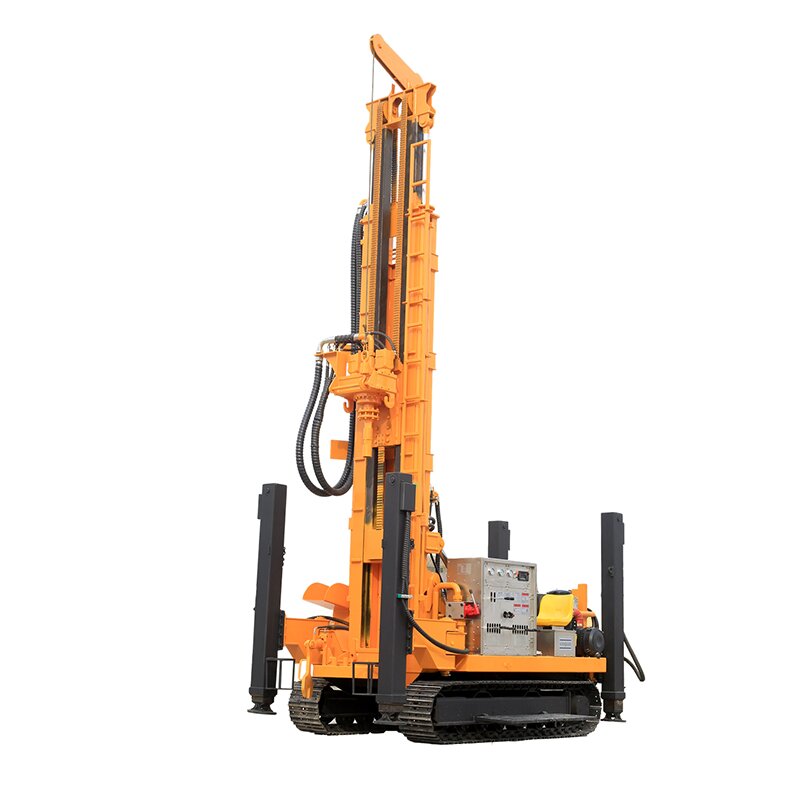
Choosing the right water well Drilling Rig is the "make or break" moment for any water well project. If you're dealing with anything from soft soil and clay to sand or solid rock, using the wrong tool isn't just a waste of time—it can actually wreck your equipment or cause the whole hole to collapse. Here's a down-to-earth guide on how to pick the right rig based on what's under your feet.
First Things First: Know Your Ground
Loose Ground: Think sandy spots, gravel, or silt. These are prone to cave-ins, so you need a rig that can handle "hole wall protection."
Sticky Clay: This stuff loves to gum up the drill. You'll need high torque and a solid way to flush out the debris.
Hard Rock: Granite, limestone, or basalt. You're going to need serious impact power and heavy-duty, wear-resistant bits.
Which Rig for Which Job?
1. Flatlands and Soft Soil
If you're working where the ground is soft and the water table isn't too deep, a Rotary Drill Rig is your go-to. It spins the bit to break the soil and uses mud circulation to carry the dirt back up.
The Pro: It's budget-friendly and doesn't shake up the surrounding soil too much.
2. Messy Terrain and Gravel Layers
When you hit a mix of big pebbles or unstable sand, standard rotary drilling usually hits a wall. In these cases, you'll want a rig with a Long Auger or a DTH hammer.
3. Hard Rock and Dry Areas
For the tough stuff, a Reverse Circulation (RC) Rig or a rig with a high-pressure air compressor is your best bet. It uses high-pressure air to drive a hammer at the bottom of the hole, literally smashing the rock into pieces.
Why is Pearldrill a Solid Choice?
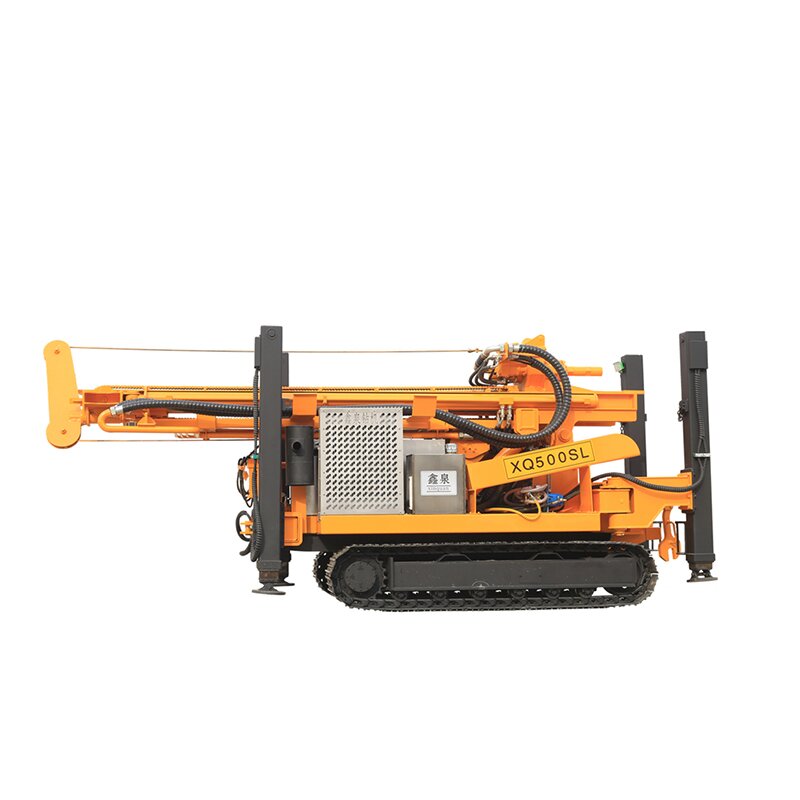
500m deep water well drilling rig digging machine for sale
Click ↑↑↑↑↑↑
1. Better Tech: Pearldrill rigs focus heavily on their Top Head Drive systems. Unlike old-school bottom drives, these are way more efficient, make switching drill pipes much faster, and give you steady torque when you're fighting through sticky clay.
2. Versatility: Their gear usually comes with high-end hydraulic systems. This means if you start in sand and suddenly hit rock, you can quickly tweak the pressure and speed without stopping the whole operation.
The "Top" Specs to Watch For
Feature
|
Why it Matters
|
Depth & Diameter
|
Always pick a rig rated for 20% deeper than you actually need. You want that extra "breathing room" for the engine.
|
Lifting Capacity
|
For deep wells, the rig has to be strong enough to pull hundreds of feet of heavy pipe back out of the ground.
|
Power Source
|
Go for a high-horsepower diesel engine, especially if you're working in the middle of nowhere without power.
|
Mobility
|
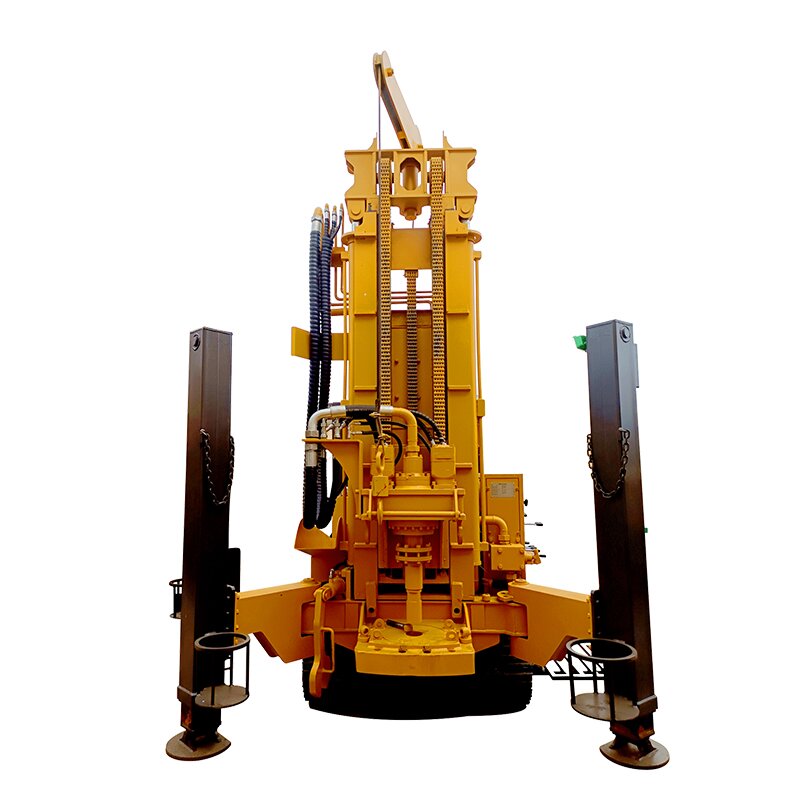
Use crawler tracks for rough terrain and truck-mounted rigs if you're traveling long distances between jobs.
|
 The Bottom Line
When picking a water well drilling rig, "best" is relative—it's all about what fits the job. For soft soil, a mud-circulating rotary rig is a money-saver; for rock, a top-drive hammer rig is a must. Going with a brand like Pearldrill gives you that advanced top-drive tech and reliability to make sure the job gets done right the first time.
Contact us
Click the Link Contact Us to Learn More About Our Products and Deals!