
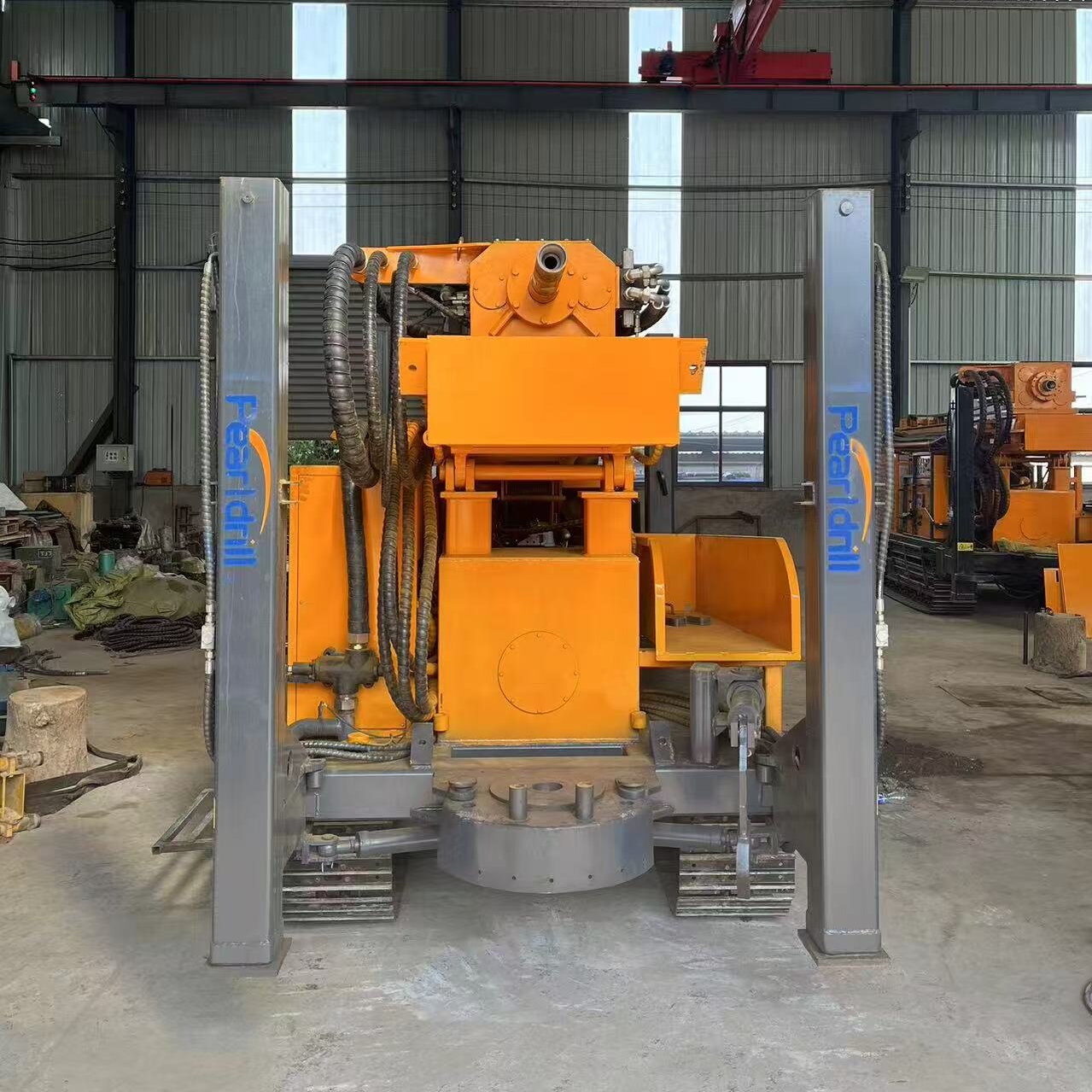
How to avoid: Go for full‑supply‑chain manufacturers. Take Guangzhou International Technology Co., Ltd. as an example. They supply truck‑mounted and crawler water well drilling rigs, plus a full lineup of supporting tools: DTH hammers, PDC bits, Mud Pumps and more. These suppliers tailor rig parameters and tool specs to your actual ground conditions. This prevents low efficiency and accelerated wear caused by over‑ or under‑powered setups.
|
Evaluation Item |
Key Verification Points |
Red Flags for Poor Suppliers |
Standards for Reliable Suppliers |
|
Ground formation adaptability |
Custom setup for clay, cobble and hard rock layers |
One‑size‑fits‑all setup; claims to drill every formation |
Custom air‑DTH or mud‑circulation combinations for complex ground |
|
Hydraulic & power system |
Heat dissipation and fuel consumption under sustained heavy load |
Frequent overheat shutdowns; extremely high fuel burn |
Optimized hydraulic circuit design, low fuel use and effective heat dissipation |
|
Full‑set drilling‑tool compatibility |
Proper coordination between drill pipes, bits and the whole rig |
Only bare rig for sale; buyers source drill bits and pipes separately |
All‑in‑one solutions: rig‑hammer matched units, PDC / tricone bits and other supporting gear |
|
Quality inspection & factory audit |
Check factory scale and live machine test runs |
No physical plant; pure middle‑man reseller relying on OEM production |
Formal production lines; on‑site or video live machine testing availabl |
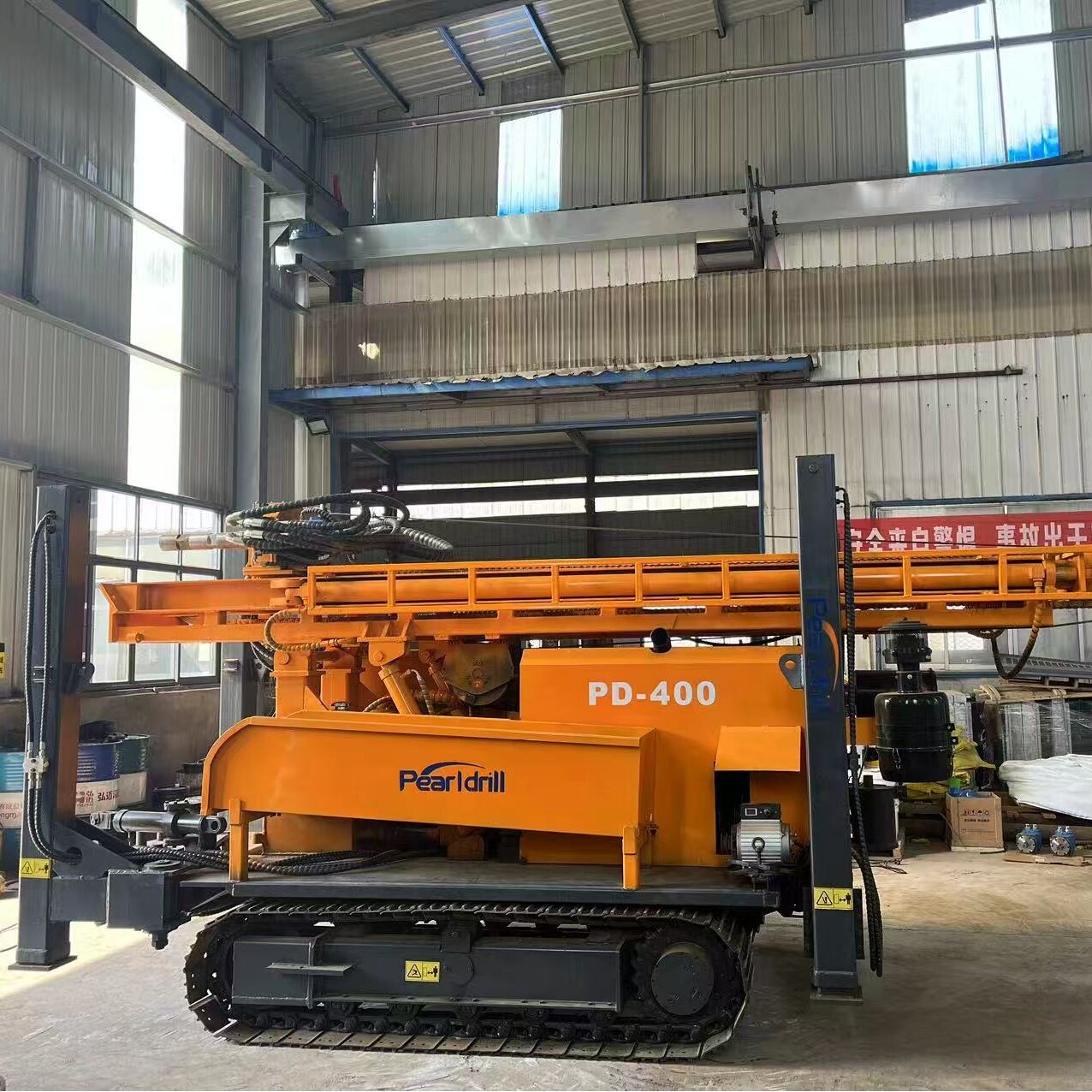
Buying focus: Pay close attention to lifting force and rotary torque. For tough granite or limestone formations, use heavy‑duty wear‑resistant PDC bits or DTH hammers from manufacturers like Guangzhou International Technology. They help advance fast and cut per‑meter drilling costs.
Do not make your purchasing decision based purely on price. Low‑cost offers usually mean corners are cut on power assemblies, hydraulic components, and steel quality. Work with professional manufacturers such as Guangzhou International Technology Co., Ltd. — they handle R&D, production and complete rig‑and‑tool supply chains. Clearly define performance requirements and after‑sales terms in your contract. This is the reliable way to secure high well‑completion rates and keep your projects on track.
 Click Below to Consult Our Experts on Maximizing Efficiency with High-Performance Tools.
 More Related Articles About [Water Well Drilling Rig]
Practical Advice for Purchasing and Using Water Well Drilling Rigs in Congo in 2026
How to Choose a Suitable Water Well Drilling Rig for Tanzania in 2026
How to Choose a Water Well Drilling Rig Suitable for Ethiopian Highland Pastoralists
Contact: Mr Chen
Phone: +86 13874354330
Tel: +86 746 8323309
Email: pearldrill02@guangzhouintl.com
Add: 3rd Floor, Wanli Market, Fenghuang Road, Lengshuitan District, Yongzhou City ,Hunan Province China
