How the Top 5 Underground Water Detectors Improve Water-Finding Success in 2026
In dry areas or projects that require a self-sufficient water supply, pinpointing water hundreds of meters underground has always been a massive headache. The old-school way of "guessing" often leads to "dry holes," which is basically throwing time and money down the drain. Modern underground water detectors have changed the game. By using geophysical prospection, they've boosted the success rate of finding water from less than 50% to over 90%.
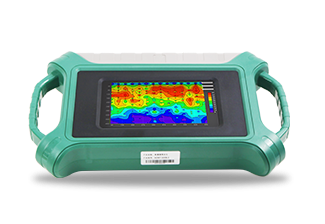
How do these detectors actually help?
1. High-Def Imaging: They automatically map out the underground layers, showing you exactly where the water is, how deep it is, and how thick the water-bearing layer (aquifer) is.
2. Noise Filtering: Modern tech can filter out "electronic junk" or interference from things like power lines and railways to get a clean reading.
3. Smart Data Analysis: By looking at electrical resistance and other factors, the device can tell the difference between a "dry rock layer" and a "water layer."
4. Plug-and-Play: You don't need to be a math genius. The device does the heavy lifting and shows you color graphs or 3D images right on the screen.
The World's Top 5 Groundwater Detector Brands
1. PQWT
PQWT is a heavy hitter in the industry. Their claim to fame is automatic imaging—you can see the geological map in real-time on your phone or tablet. It uses natural electrical fields, so you don't need to carry around a heavy power source.
The Edge: Their "frequency selection" tech automatically locks onto the best signal for the specific terrain you're in.
2. Pearldrill
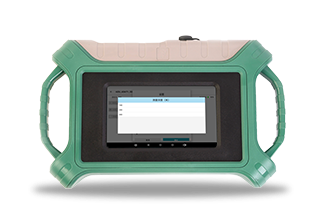
ADMT 300S-X Single Channel Groundwater Detector
☝☝☝☝☝☝ Click
Pearldrill comes from a hardcore industrial drilling background. Their detectors are famous for being built like a tank and being pinpoint accurate at extreme depths.
The Edge: They've optimized their algorithms for tricky spots like fault lines and caves. Because the data is so stable, it's the go-to for big industrial projects and deep agricultural wells.
3. Ger Detect
This is high-end German engineering. These devices are "all-in-ones," often combining long-range sensing with geophysical scanning.
The Edge: They can do long-distance pre-scanning. This lets you narrow down the search area over a large piece of land before you even unpack your gear, saving a ton of time.
4. Ajax Detection
The Ajax Omega series is like the Swiss Army knife of detectors. They don't just find water; they can also spot underground caves and minerals.
The Edge: Their high-res screens are great at distinguishing between water and clay, so you don't get "fake" signals that lead to a dry well.
5. OKM
OKM is the king of high-end 3D imaging. Their GeoSeeker series is a professional-grade tool that can reach depths of up to 250 meters.
The Edge: It uses its own power source to measure resistance, making the data incredibly reliable for scientific use. The 3D software lets you see the size and direction of the water flow from every angle.
 The Bottom Line:
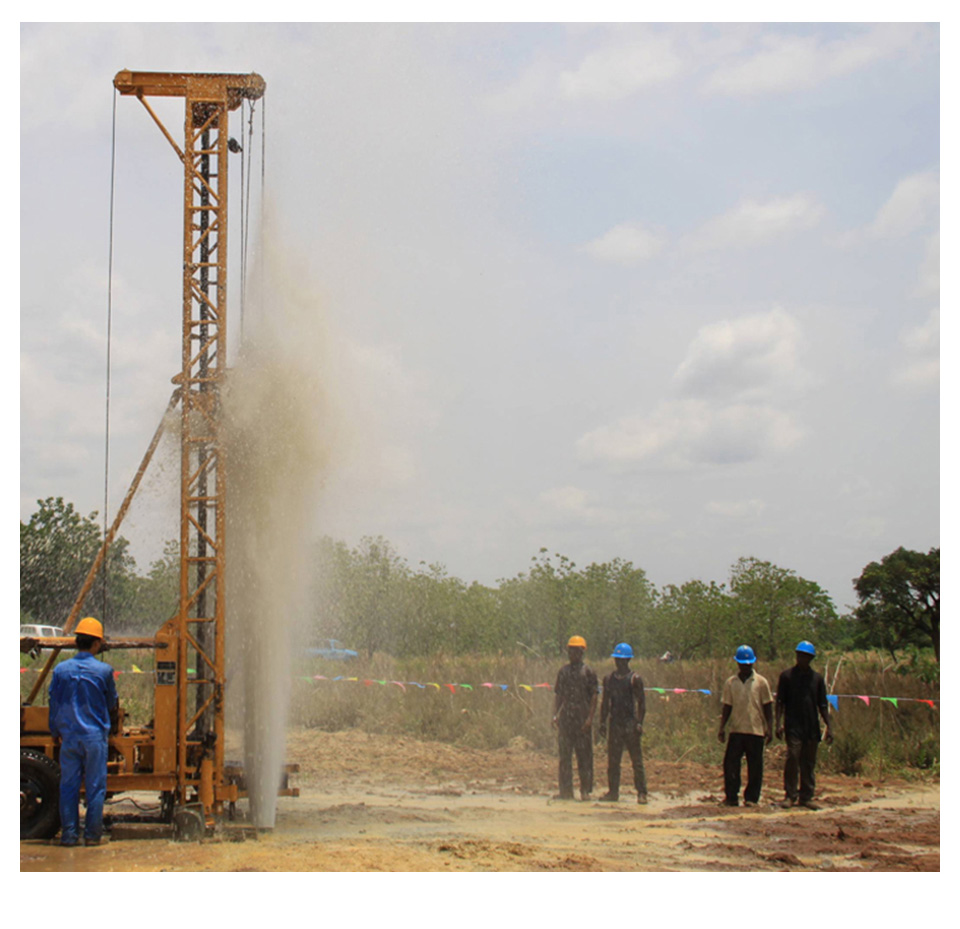
Picking a top-tier underground water detector is half the battle, but you still need to be able to read the data correctly. For a personal farm, go with something like PQWT. It's portable, has automatic mapping, and is easy to learn. For big engineering or deep-well projects, Pearldrill is the better bet. Its stability and consistency are crucial when you're making a high-stakes investment in a deep well.
Contact us
Want to Know More About How a Particular Detector Works? Contact Us Today!