
Whether you need it for farming, industrial use, or just digging a domestic well, finding underground water has always been a tough nut to crack. For beginners, just relying on 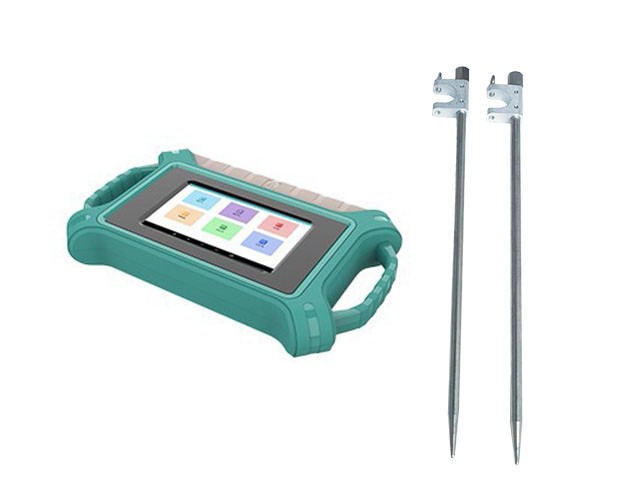 guesswork and digging blindly across a huge piece of land is a massive waste of time and energy—plus, the risk of hitting a dry hole is sky-high. Luckily, thanks to modern tech, finding underground water has become way simpler and much more precise. In this guide, I'll walk you through how to use modern underground water detectors to find water scientifically and efficiently, and how to avoid the most common amateur mistakes.
Forget the old-school dowsing rods—they're a thing of the past. Modern underground water detectors rely on geophysical prospecting technology. For beginners, the most accurate and user-friendly method is the natural electric field frequency selection method (or electrical prospecting, for short).The logic behind it is actually super simple: different ground layers (like sand, rock, and clay) have completely different levels of electrical resistance (resistivity), depending on whether they hold water.
Dry rocks and gravel have extremely high resistivity, meaning they are terrible at conducting electricity.
Aquifers and underground rivers contain water rich in minerals, which drops the resistivity significantly, making them excellent conductors.
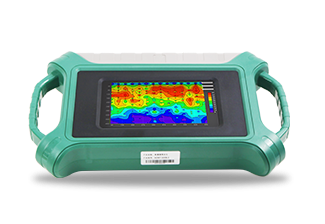
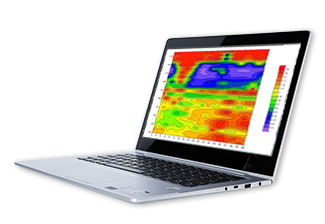
The detector picks up these natural electrical signals from the ground and automatically generates a straightforward 2D or 3D color map. The areas on the map where the colors change drastically are usually your "golden ticket" zones where water is flowing.
Once you get your hands on the equipment, how do you actually start? Just follow these three standard steps:
What to do: Before you even turn on the machine, look at the landscape. A good rule of thumb is to look for passes in big mountain ranges or depressions in smaller hills. Low-lying areas, alluvial fans, old riverbeds, or spots where plants are unusually lush are your best bets for finding water. Just make sure to stay away from high-voltage power lines, transformers, and large metal pipes so they don't mess with your signal.
What to do: Take the electrodes (the metal pegs) of your Pearldrill detector  Click and hammer them into the soil according to the spacing in the manual. Line them up nicely and make sure they have good contact with the ground (if the soil is bone-dry, pour a little water on them). Turn on the device, select your desired depth, and hit auto-scan.
What to do: Once the scan is done, check out the V5 curve graph or the colorful profile map on the screen. You're looking for places where the resistivity changes abruptly (where the lines are crowded together or the colors shift sharply). A low-resistance zone (which usually shows up as blue or dark colors on the map) that stretches downward is your absolute best spot to drill the well.
Mistake 1: Relying on just one single spot. A lot of newbies test one spot, see low resistance, and immediately bring in the drill. The scientific way to do it is to scan a whole line (testing 5 to 10 points). By comparing them side-by-side, you can see the actual width of the underground water vein and pick the spot where the water is thickest and deepest.
Mistake 2: Ignoring bone-dry topsoil. In super dry deserts or sandy areas, the top layer of soil has insanely high resistance, which can mess up the data for the first few meters. If this happens, push the electrodes deeper into the ground or use the machine's built-in filtering feature.
Mistake 3: Forgetting about the actual Drilling Rig. Remember, a detector's job is just to locate the water and estimate its depth. To actually get the water out, you still need to match it with the right power drilling rig.
The Bottom Line
With smart, one-click mapping underground water detectors like the Pearldrill, finding water nowadays is all about letting the data do the talking. As long as you run a few cross-section tests and compare them with geological charts, even a complete beginner can master the art of scientific water hunting in no time!
Contact us
I Hope This Article Was Helpful. If You Have Any Other Questions, Please Feel Free To Contact Us.
Contact: Mr Chen
Phone: +86 13874354330
Tel: +86 746 8323309
Email: pearldrill02@guangzhouintl.com
Add: 3rd Floor, Wanli Market, Fenghuang Road, Lengshuitan District, Yongzhou City ,Hunan Province China