
In water well drilling, installing casing is a core step to make sure the well is built right and drilling stays safe. In 2026, as water well drills go deeper and rules for protecting groundwater get stricter, using casing the right way matters more than ever. Here's a simple, spoken-style breakdown of when and why you need to use casing, plus some helpful tips.
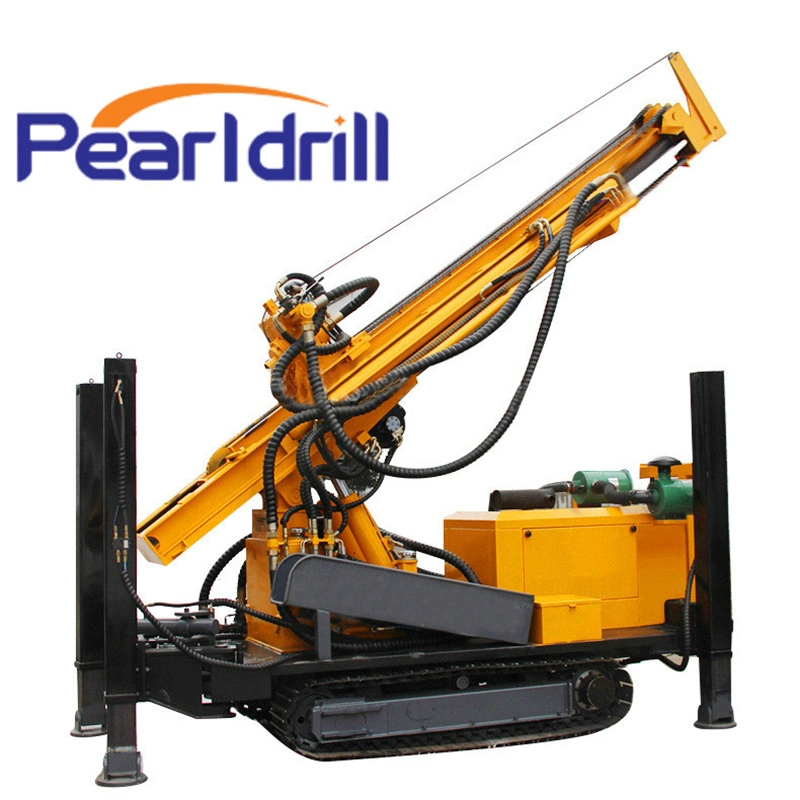
Ground Type
Drilling Problem
Casing Needed?
Main Job of Casing
Loose sand / soft fill
Collapses easily, can bury drill
Must have
Hold the wall, keep a path open
Gravel / cobble layer
Mud can't hold wall, fluid leaks
Must have
Keep unstable layer out, stop stones falling
Shallow polluted water
Hurts deep water quality
Must have
Block pollution, protect target water
Solid rock
Wall is stable
It depends
Used only as pump pipe after drilling
Karst / cave zone
Severe leaks, drill can get stuck
Better to use
Bridge over gaps, get flow back
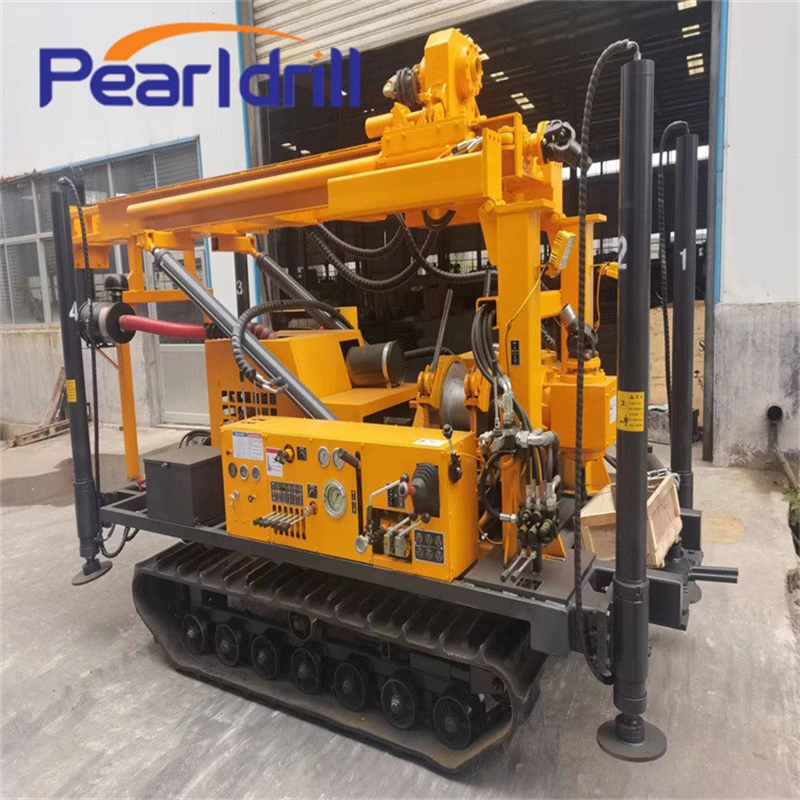
1. Strong push and pull power: When running big, heavy steel casing, Pearldrill has plenty of muscle to get it down smoothly.
2. Works with “casing while drilling”: For the popular 2026 methods like eccentric or concentric casing systems, the Pearldrill power head is built to work with hammers. That means you can advance the drill and casing together in loose ground, a big time-saver in tricky layers like those in Africa and Southeast Asia.
3. Easy hydraulic controls: The fine hydraulic feedback lets the operator feel the resistance while running casing. That helps avoid bending the casing or breaking connections.
1. Material choice: Besides traditional steel pipe, high-strength, eco-friendly PVC-U and PE casing are getting popular for shallow to medium-deep wells. It resists corrosion and lasts a long time.
2. Sealing (shutoff) method: After running casing, you must seal the gap between the casing and the borehole wall with clay balls or cement. That's the key to getting good water up inside the pipe.
3. Check the load: On deep wells, always calculate the casing's own weight and how much crush pressure it can take. You don't want it collapsing downhole.
The Bottom line:
In water well drilling, “check the ground first, then decide on casing” is the golden rule. Whether you're stopping cave-ins or protecting water quality, using casing the right way, along with a reliable rig like Pearldrill, is the foundation of every successful drilling project.
Want to Know More About Water Well Drilling Rigs Operation? Contact Us.
Contact: Mr Chen
Phone: +86 13874354330
Tel: +86 746 8323309
Email: pearldrill02@guangzhouintl.com
Add: 3rd Floor, Wanli Market, Fenghuang Road, Lengshuitan District, Yongzhou City ,Hunan Province China
