
As deep resource exploration and underground construction keep moving forward, drilling projects constantly run into tricky geological structures. Fault fracture zones, with their broken rocks, developed joints, complex ground stress, and huge hardness variations, have 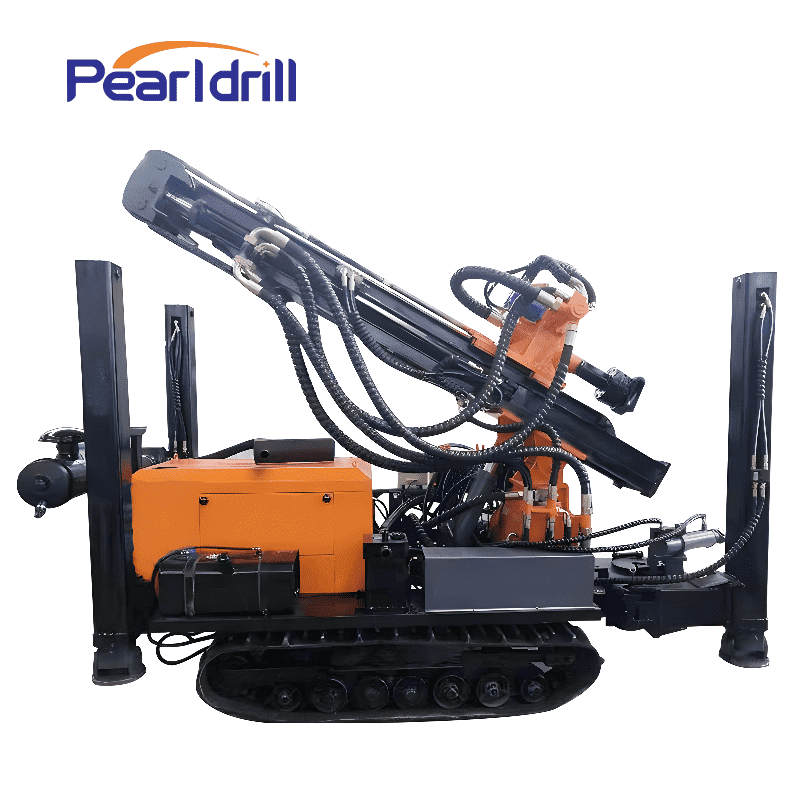 always been a tough nut to crack in drilling. As the main workhorse for modern high-efficiency drilling, PDC (Polycrystalline Diamond Compact) drill bits' stability in these zones directly dictates drilling speed, borehole quality, and operational safety. This article dives into the latest 2026 tech breakthroughs, systematically looking at the stability mechanisms, challenges, and optimization strategies for PDC drill bits in fault fracture zones.
1. Intense Alternating Loads and High-Frequency Impacts: With soft and hard layers mixed and random boulders scattered around, PDC drill bits deal with brutal alternating impact loads as they move across different rock formations. These sudden shifts easily cause cutter chipping, thermal wear, or even bit body cracking.
2. Downhole Dynamic Instability: Because the friction coefficient in fracture zones is all over the place, the drill string is prone to severe torsional vibration (stick-slip) and lateral whirl. In this unstable bottom-hole environment, the bit tends to bounce around, killing rock-breaking efficiency and speeding up tool wear.
3. Off-Center Loads and Loss of Trajectory Control: With uneven rock hardness on both sides of a fault zone, the bit naturally creates side forces while drilling, pushing it off track and potentially causing stuck pipes, sidetracking, or other accidents.
1. Impact-Resistant Cutters and Multi-Angle Layout: By using ultra-fine-grained diamond composites with way better toughness and heat resistance, combined with tiered cutter placement, we can optimize the rake and back angles of the cutters to effectively spread out cutting resistance.
2. Anti-Vibration and Force-Balancing Design: Using computer-aided dynamics simulation to accurately calculate the resultant cutting force of the bit in complex formations, designers can create asymmetric gauge pads or special blade profiles to cancel out side forces and keep bit whirl in check.
3. Deep Flutes and Optimized Fluid Flow: If the tons of cuttings generated in fracture zones aren't cleared out fast, it leads to recutting and extra wear. Optimized fluid channels ensure efficient cuttings evacuation, cutting down on heat buildup at the bottom of the bit.
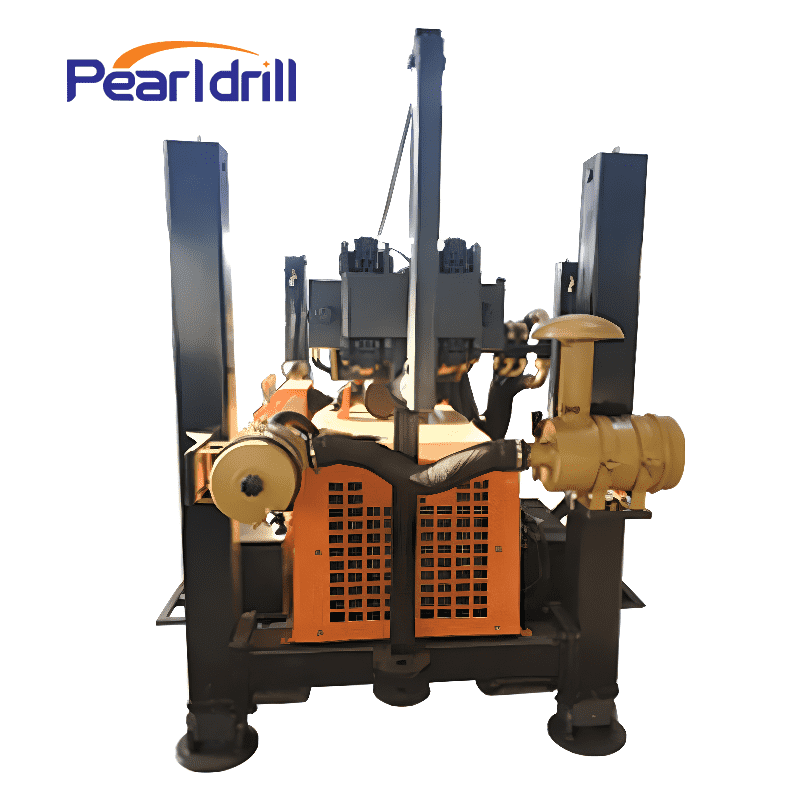 1. Impact Resistance: Pearldrill adds a high-elasticity transition support layer between the cutters and the bit body, which handles the instant shock energy from fault zone alternating loads like a champ, massively reducing chipping rates.
2. Thermal Stability and Wear Balance: Their optimized composite heat-conduction structure keeps high-temperature oxidation in check when cutting fast through hard layers in fracture zones, seriously extending the bit's service life.
3. Field Feedback: Tested across multiple complex fault-structure well sections both at home and abroad, Pearldrill PDC drill bits have shown stellar steering stability and continuous footage capacity, drastically cutting down tripping frequency and lowering overall drilling costs.
Performance Dimension
Traditional Standard PDC Drill Bits
Modern Impact/Balanced PDC Drill Bits
Cutter Material
Standard-grade PDC compacts with average impact resistance
High-toughness, nano-grain boundary optimized compacts with over 40% higher chipping resistance
Dynamic Balance
Conventional symmetric layout, prone to lateral whirl
Dynamic force-balancing design, effectively suppressing lateral vibration and stick-slip
Cuttings Removal & Cooling
Basic flow channels, prone to bit balling or jamming in fracture zones
Optimized deep flutes and nozzle combos, fast cuttings evacuation, strong thermal wear resistance
Fault Zone Lifespan
Lower (frequent chipped teeth, limited footage)
Significantly extended (long continuous run times, high hole-making success rate)
Overall ROP (Rate of Penetration)
Fast at first, but low average efficiency due to frequent damage
Efficient, smooth, and durable, drastically shortening complex formation drilling cycles
Conclusion
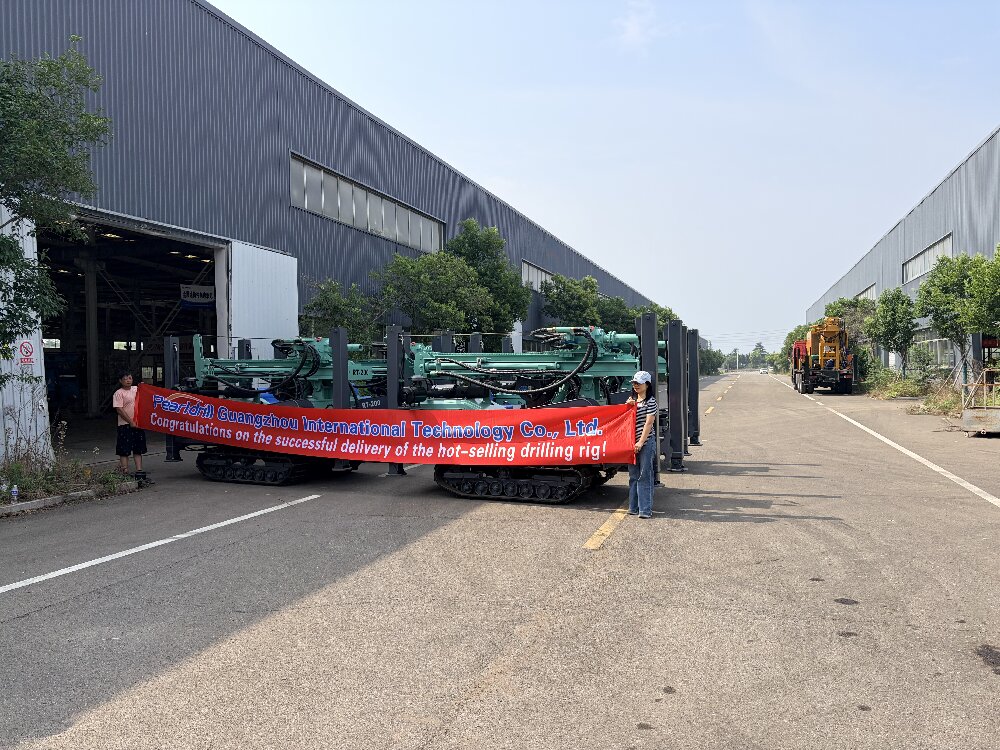
With smart drilling and digital twin tech becoming mainstream, stability design for PDC drill bits in fault fracture zones is bound to get a lot more precise and customized. Leading brands like Pearldrill are constantly pushing the envelope with material and structural balance innovations, providing rock-solid backing to crack tough drilling challenges in extreme geological environments.
 Click Below to Consult Our Experts on Maximizing Efficiency with High-Performance Tools.
 More Related Articles About [ Drill Bits]
Chinese Roller Cone Bits for Water Wells in Fractured Carbonate Formations
How to Screen High-Quality Water Well Drill Bit Manufacturers Through Trade Shows
What Does a PDC Drill Bit Supplier's Performance at a Trade Show Indicate
Contact: Mr Chen
Phone: +86 13874354330
Tel: +86 746 8323309
Email: pearldrill02@guangzhouintl.com
Add: 3rd Floor, Wanli Market, Fenghuang Road, Lengshuitan District, Yongzhou City ,Hunan Province China
