
In 2026, when we're drilling water wells, everyone's looking for three things: high efficiency, low cost, and smart automation. With the climate and geology getting more unpredictable, 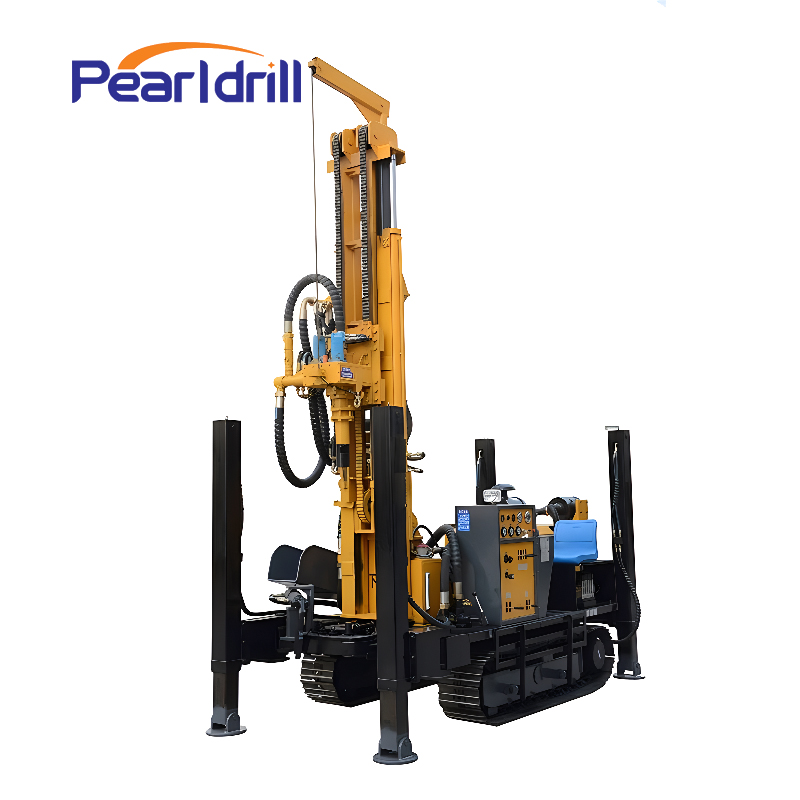 being able to drill fast and accurately through different layers of ground really comes down to one key part—the drill bit. With so many types out there, how does a rig operator or contractor pick the right bit for their machine? Let's break it down from three angles: matching the ground, working with your rig, and looking at some real-world brand examples.
1. Torque and speed: PDC bits like higher rotation speeds and steady torque. Roller cone bits in hard ground need more weight on the bit but slower speeds.
2. Flushing and chip removal: Whether you're using mud or air circulation, the bit's nozzle design has to match your water well drilling rig's Mud Pump or air compressor's output. You've got to get those rock chips out fast; otherwise, you'll just grind them up again.

On real job sites, picking a rig and bits from a brand that makes both can save you a ton of hassle. In 2026, Pearldrill is a well-known name in industrial drilling gear, and they do a great job matching their rigs with their bits. They make everything from crawler and truck-mounted water well drilling rigs to high-performance, long-wearing PDC bits and 3-wing/4-wing drag bits.
Real-world example: When drilling community water wells in soft to mixed ground in Africa or Southeast Asia, if you use a Pearldrill portable rig with their own 3-wing or 4-wing PDC bit, the combination just works. The rig's down pressure and torque are spot-on for the PDC cutters to dig in and cut efficiently. Plus, because Pearldrill designed the bit's fluid nozzles with good flow dynamics, even a low-power mud pump keeps the hole clean and prevents sticking or overheating. That's a huge help for small to medium jobs.
The big advantage of using the same brand for rig and bit is that you don't waste hours fiddling with drilling settings. It lowers the learning curve for new operators.
1. Smart wear monitoring: Some high-end bits now have built-in sensors, or you can read the vibration through the rig's controls to tell how worn the bit is. That saves you from pulling the bit out to check it blindly.
2. Formation database: Before you buy a bit, some manufacturers will take your past drilling data or ground scans and use AI to recommend the best cutter shape and angle for exactly what you're drilling into.
Bottom Line
In 2026, picking the right bit for your water well drilling rig isn't just about how hard the rock is. It's about making four things work together: the ground you're drilling, your rig's abilities, the bit's design, and digital tools. When you get all four lined up, you'll hit clean, flowing water faster with every rig start.
Want to Know More About Water Well Drilling Rigs Operation? Contact Us.
Contact: Mr Chen
Phone: +86 13874354330
Tel: +86 746 8323309
Email: pearldrill02@guangzhouintl.com
Add: 3rd Floor, Wanli Market, Fenghuang Road, Lengshuitan District, Yongzhou City ,Hunan Province China
