
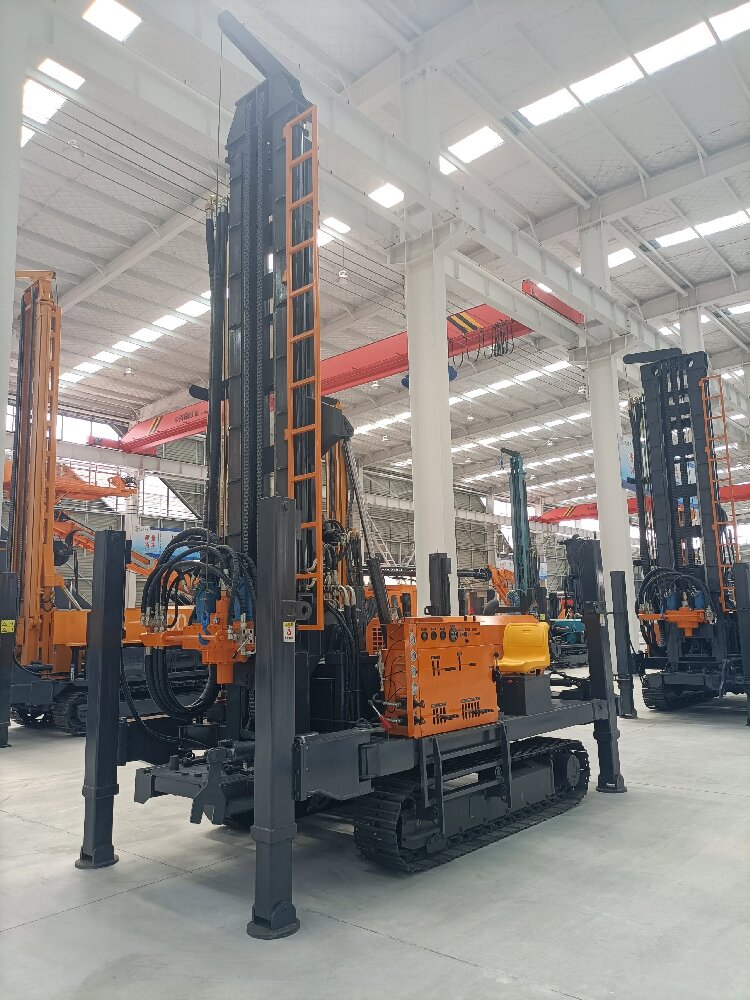
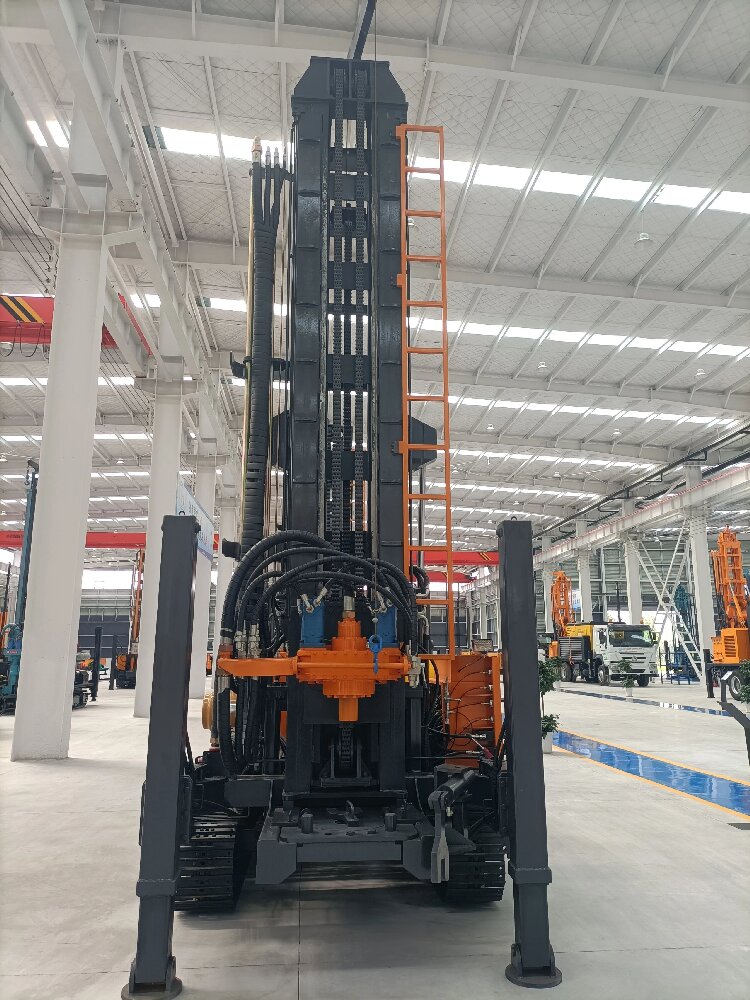
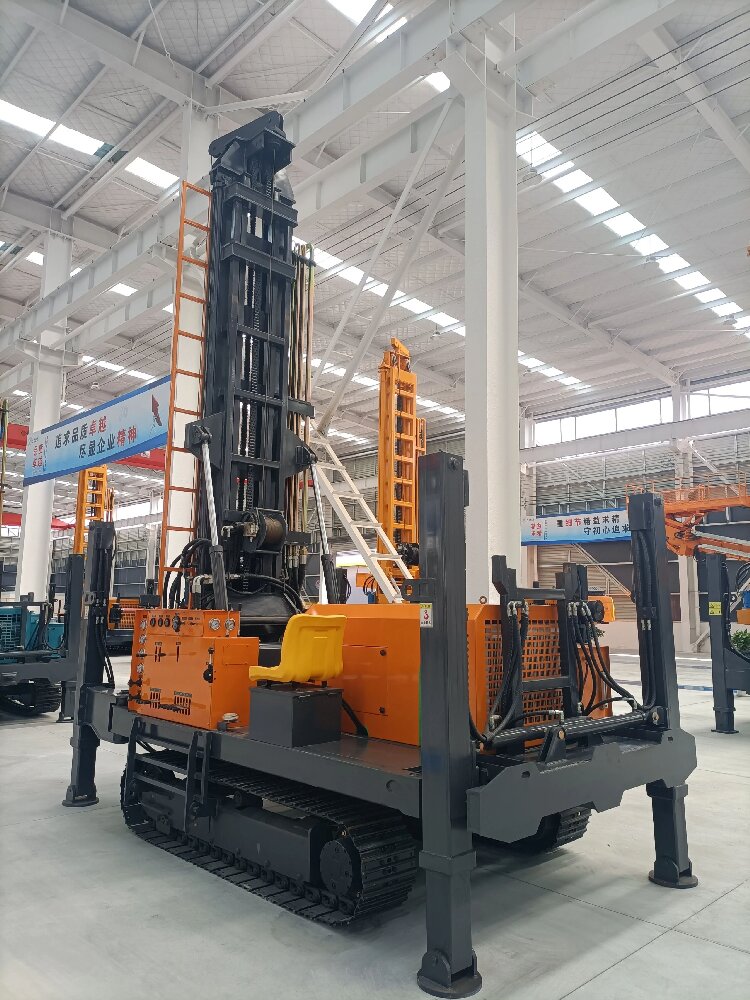
In 2026, water well Drilling Rigs are the go-to equipment for groundwater development and infrastructure projects, and how efficiently they run directly impacts the financial return of the entire job. However, many drilling companies often fall into the trap of "focusing heavily on purchasing but neglecting maintenance," which drives the lifetime cost of their equipment through the roof. With IoT, big data, and smart sensor tech becoming deeply integrated in 2026, we now have powerful ways to slash the total lifecycle maintenance costs of water well drilling rigs.
Cost Dimension
Main Cost Components
Key Optimization Strategy (2026)
Expected Cost Reduction
Routine Maintenance
Lubricating oil, hydraulic oil, filter replacements, and full vehicle cleaning
Strictly follow structured maintenance schedules, no delays
10% - 15%
Preventive Repairs
Early replacement of seals, hoses, and core bearings
Bring in digital smart sensors for real-time monitoring
20% - 30%
Post-Failure Repairs
Power system overhauls, main pump replacements, and emergency downtime losses
Shift the budget split away from this category and toward preventive maintenance
40%+
Operational Wear & Tear
Drill pipe breakage, abnormal bit wear, and stress damage from improper operation
Upgrade operators' professional skills and push for standardized operations
15% - 25% |
 1. Implement "Predictive Maintenance" with Smart Monitoring
Stepping into 2026, digital transformation is no longer just for the giant corporations. By installing smart sensors on the drilling rig's hydraulic system, power system, and main winch, you can track oil temperature, pressure, and weird vibrations in real time. Catching things before a breakdown happens lets you fix minor issues before they snowball into major system failures, effectively locking down unnecessary repair bills.
Water well rigs rely heavily on hydraulic drives, and how clean your hydraulic oil is determines how long your hydraulic pumps and valves will last.
Regular Oil Testing: Instead of the old-school "change oil by the clock" approach, 2026 is all about "changing oil by its actual quality."
Precision Filtering: Adding a high-precision bypass filtration system can more than double the lifespan of your hydraulic oil, which indirectly protects those high-value hydraulic parts.
Drill bits, drill pipes, and central distributors are high-wear items. The secret to cutting costs here isn't buying the "cheapest" parts; it's building an accounting system based on the cost per meter drilled. While premium, wear-resistant parts might cost a bit more upfront, they usually last several times longer than cheap knockoffs, saving you a massive amount of wasted labor hours spent pulling the drill string just to swap out parts.
In actual field practice, picking a brand that offers complete lifecycle support is crucial. For example, the well-known domestic brand Pearldrill designs its water well rig series from day one with modularity and easy maintenance in mind. By taking full advantage of Pearldrill's official routine technical inspections, standard maintenance kits, and remote expert tech support, users can avoid the secondary damage caused by using non-standard replacement parts. This saves a massive amount of money that would otherwise be wasted on blind guesswork and repairs over the machine's lifetime.  Click
Click
 The "Four Don'ts" Iron Rule for Lowering Rig Costs
1. Don't drill blindly if the ground doesn't match: When dealing with tricky geology like hard rock or quicksand, you must strictly match the drilling process to the conditions (like mud circulation or air DTH hammer methods). Never force-feed or over-pressurize, which overloads the pull-down system and rotary head.
2. Don't start the machine without proper lubrication: The main pin shafts, mast guide rails, and rotary reducers are hot spots for friction. Every single day before starting up, you must make sure the grease points are packed and fully lubricated.
3. Don't run the machine "sick" if there's a hidden issue: The moment you spot a tiny leak in a hydraulic line, a weird noise from a motor, or a dashboard warning light, shut down and check it out immediately. Running a machine with existing issues usually makes repair costs multiply exponentially.
4. Don't operate the rig without proper training: More than 60% of early-stage damage to drilling rigs is caused by operators "muscling" or forcing the controls. Taking the time to train operators regularly so they build good habits around pressure and speed control is the most effective yet most often ignored way to manage costs.
Summary
By 2026, competition in the Chinese water well drilling rig market will have reached a fever pitch. Cutting lifecycle maintenance costs shouldn't mean cheaping out on parts or skipping necessary service. Instead, it relies on leveraging digital tools, enforcing strict daily preventive habits, and utilizing reliable brand technical support. Managing every single hour of operation with precision and scientifically preventing every potential bit of wear and tear—that is the real secret to keeping your water well drilling rig highly productive, long-lasting, and low-cost throughout its entire lifecycle.
Want to Know More About Water Well Drilling Rigs Operation? Contact Us.
Contact: Mr Chen
Phone: +86 13874354330
Tel: +86 746 8323309
Email: pearldrill02@guangzhouintl.com
Add: 3rd Floor, Wanli Market, Fenghuang Road, Lengshuitan District, Yongzhou City ,Hunan Province China