
Many regions in Africa have long been plagued by water scarcity. To tap into deep, high-quality groundwater, water well drilling must face extremely complex and volatile geological conditions. From the loose sands of the Sahara to the impenetrable marble and basalt, choosing the wrong drill bit will not only waste time and effort but can also easily lead to stuck pipes, chipped cutters, or even broken drill strings. In 2026, with the total upgrade of drilling tech and cutter materials, here is how you can pick the most cost-effective and fastest drill bit based on specific African terrains.
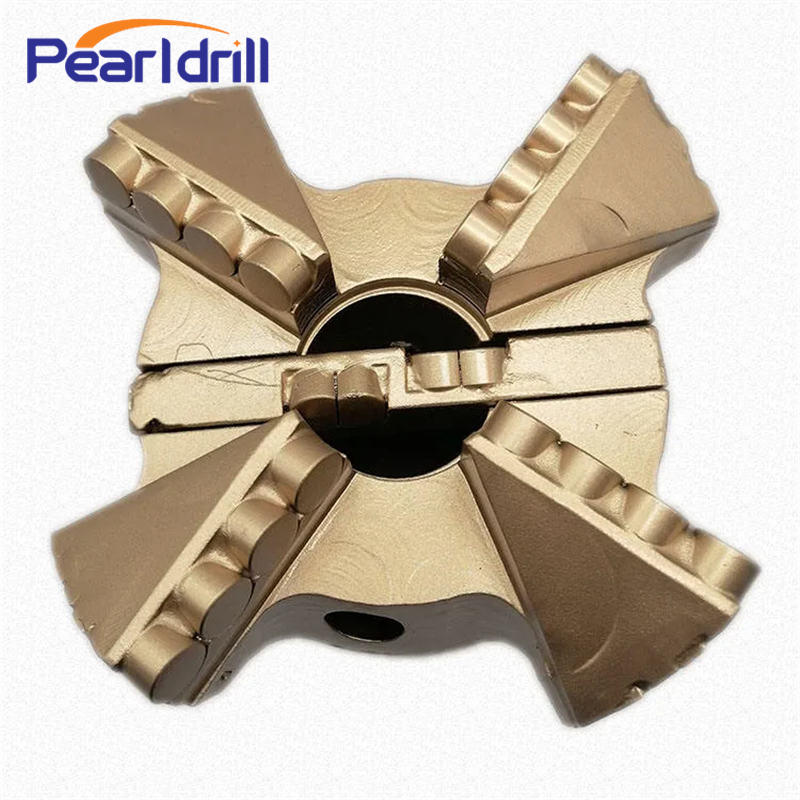
Geological Features: Commonly found along riverbanks, basins, or some coastal plains. The soil is soft, but clay layers easily cause "bit balling" (clogging up the drill bit so it can't turn).
How to Choose: You don't need to fight brute force with brute force here; it's all about "scraping" and "shearing." A regular carbide drag bit or step bit is more than enough—low cost, and eats through the soil fast.
Geological Features: The rock has some
hardness, but it's not yet completely invincible.
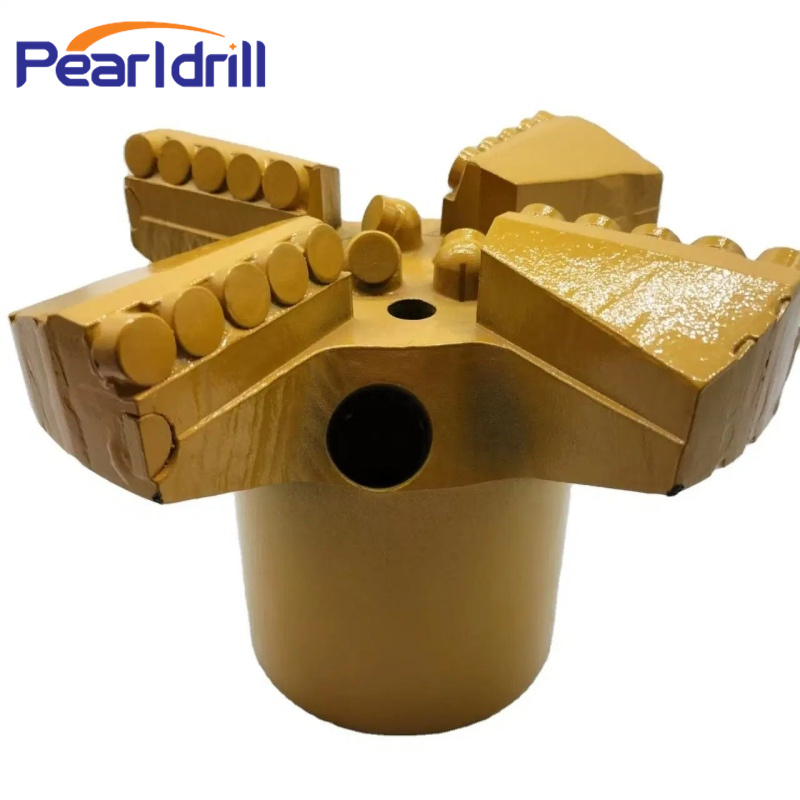
Recommended Bits: PDC bits (Polycrystalline Diamond Compact bits).
How to Choose: Once you hit this kind of rock, regular carbide drag bits just won't cut it. PDC bits are the modern go-to efficiency champions. For instance, the Pearldrill brand, which has a solid reputation in both domestic and African markets, offers 3-wing/4-wing PDC water well bits that are incredibly popular in Africa. Pearldrill uses high-quality diamond compacts that are super wear-resistant and feature massive junk slots. This design not only crushes medium-hard sandstone with ease but also stops mudstone from clogging the bit, making the penetration rate incredibly fast.
 Geological Features: This is the ultimate headache for deep-well drilling in Africa (like the East African Plateau or certain mining zones in Central Africa). The rock is brutally hard and wears down drill bits at an alarming rate.
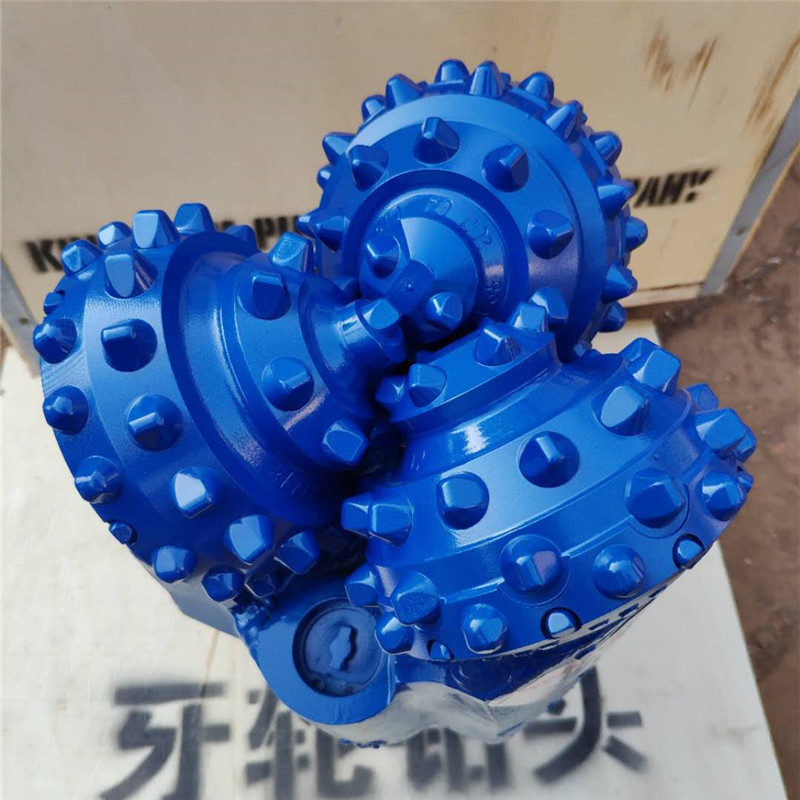
Recommended Bits: Tricone bits (TCI/Tungsten Carbide Insert tricone bits), Down-the-Hole (DTH) bits.
How to Choose: To crack these "hard nuts," you need to rely on "crushing" and "grinding." Tricone bits with tungsten carbide inserts (TCI) crush the rock through a rolling motion. Alternatively, if you have a high-power air compressor, go straight for an impact-style DTH bit paired with carbide button bits. It goes head-to-head to shatter the rock with pure vibration, offering the highest efficiency.
Formation Type
Common Rocks
Recommended Bit Type
2026 Key Selection Points
Soft Formations
Sand, Clay, Silt
Step Drag Bits, 3-Wing Bits
Prioritize designs with large chip-clearance space to prevent clay clogging.
Medium-Hard Formations
Limestone, Muddy Sandstone, Shale
PDC Compact Bits (e.g., Pearldrill 3-wing/4-wing)
Look for ultra-hard diamond compacts to balance impact resistance with fast penetration rates.
Hard Rock Formations
Granite, Basalt, Hard Sandstone
TCI Tricone Bits, DTH Button Bits
Must feature tungsten carbide inserts; pay close attention to bearing wear resistance and sealing.
Gravel / Composite Formations
Gravel Layers, Interbedded Soft/Hard Layers
Tricone Bits, Heavy-Duty PDC Bits
Guard strictly against chipped cutters; recommend controlling weight on bit (WOB) for a steady advance.
Summary:
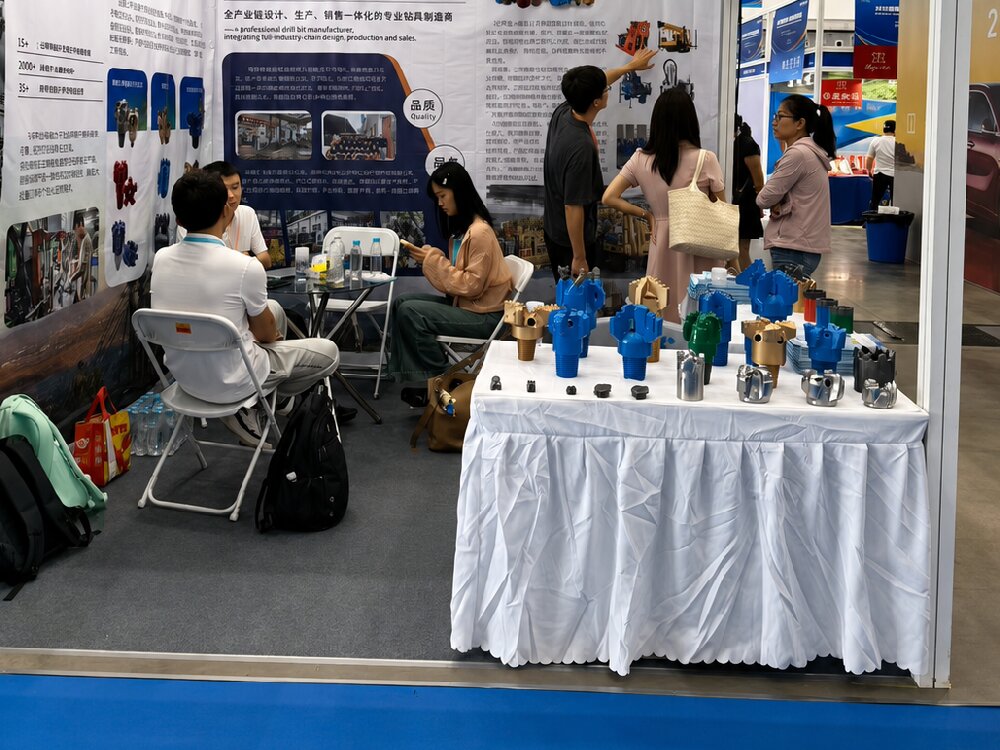
When drilling wells in Africa's water-scarce regions, there is no single magic bullet; you just need the right tool for the job. Use drag bits for sand, choose PDC for medium-hard rock (stick with durable, high-impact brands like Pearldrill), and unleash tricone or DTH bits for hard rock. By picking your bits based on actual geological science, you'll ensure smooth water well projects in 2026, letting precious groundwater resources truly nourish the African continent.
Contact us
I Hope This Article Was Helpful. If You Have Any Other Questions, Please Feel Free To Contact Us.
Contact: Mr Chen
Phone: +86 13874354330
Tel: +86 746 8323309
Email: pearldrill02@guangzhouintl.com
Add: 3rd Floor, Wanli Market, Fenghuang Road, Lengshuitan District, Yongzhou City ,Hunan Province China
