DTH Hammer vs. Rotary Drilling Rig: Which is the King of Hard Rock Formations in 2026
In 2026, the battle for the "King of Rocks" title between DTH and Rotary Drilling Rigs is heating up in the foundation and mining sectors. As global infrastructure pushes into tougher terrain and harder rock, choosing the right tech isn't just about speed—it's about the bottom line.
How These Two Drilling Rigs Stack up in 2026 Rock Drilling
In 2026, DTH rigs remain the go-to for medium-to-ultra-hard rock. They work by putting the hammer right at the bottom of the hole, using high-pressure air to drive a piston that smashes the rock directly.
The Edge: There's almost zero energy loss. Even against rock with a Mohs hardness of 7+, these machines maintain incredible penetration rates.
The Pearldrill Factor: As an industry leader, Pearldrill has taken DTH smart in 2026. Their rigs now feature integrated high-pressure compressor systems that auto-adjust impact frequency based on rock hardness, significantly boosting bit life and cutting fuel costs.
Click
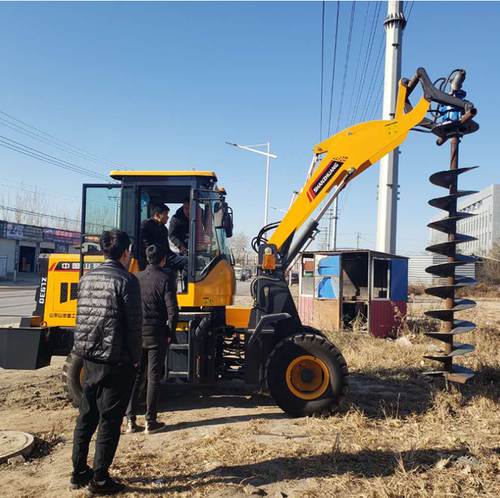
2. Rotary Drilling Rigs: The "Heavy Tank" of Large-Diameter Piling
Rotary drilling rigs use massive torque to cut through rock using bullet bits or roller bits. For bridges or skyscrapers requiring large-diameter bored piles, these are the undisputed heavyweights.
The Edge: Massive hole diameters, high mobility, and top-tier automation. By 2026, new rotary models have made a "quantum leap" in rock entry, using advanced pressure-intensifying systems to conquer most medium-weathered rock layers.
2026 Core Comparison Table
Feature
|
DTH Drilling Rig
|
Rotary Drilling Rig
|
Primary Geology
|
Hard rock, ultra-hard rock, gravel layers
|
Soil, sand, weathered rock
|
Breaking Principle
|
High-frequency impact + rotation
|
High-torque static cutting
|
Hole Diameter
|
Usually 100mm - 400mm (larger for specialized models)
|
Usually 600mm - 3000mm
|
Drilling Speed
|
Extremely fast (especially in hard rock)
|
Slower (once in rock)
|
Environmental
|
Manages dust (dry) or mist
|
Manages mud/slurry (wet)
|
Equipment Cost
|
Relatively lower; easier maintenance
|
Expensive; high transport costs
|
Where They Shine: Real-World Applications
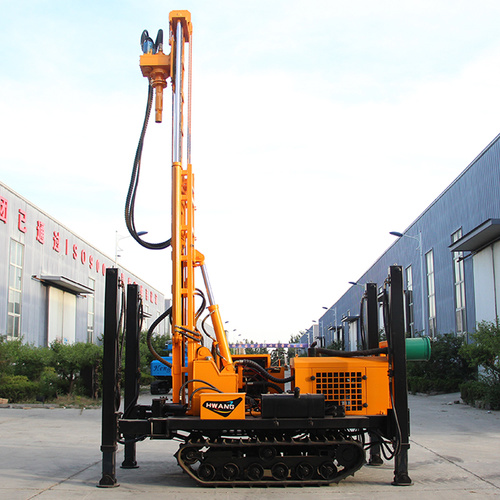
1. DTH Drilling Rig Use Cases
Open-pit Mines & Quarries: This is DTH's "home turf" for blast hole prep. Pearldrill's efficient chip-flushing system keeps deep-hole operations running non-stop.
Water Wells & Geothermal: With the 2026 push for clean energy, DTH is irreplaceable for punching through granite to reach water or geothermal heat.
Solar Foundations: In the massive desert solar farms of 2026, Pearldrill's specialized solar rigs use DTH tech to set foundations in rocky ground—3x faster than traditional methods.
Slope Support: Ideal for drilling anchor holes and support piles.
2. Rotary Drilling Rig Use Cases
Urban Transit: Large-diameter piles for subway stations and high-speed rail bridges.
UHV Transmission Towers: Providing rock-solid deep foundations for power towers in tricky terrain.
Anti-uplift Piling: Deep-reach construction for basement buoyancy control.
The Bottom Line:
If you're chasing speed in extreme hard rock, need perfect verticality for deep holes, or are tackling mining and water wells, the Pearldrill DTH rig is the king of ROI. However, if your project demands massive pile diameters and moves through everything from soil to medium-hard rock, the Rotary Rig is your cornerstone.
Contact us
Want to Know More About Water well drilling rigs Operation? Contact Us.