
In oil and gas drilling, geological exploration, and hydrogeological development, tricone drill bits are the go-to tools thanks to their ability to handle complex formations. Picking the wrong drill bit won't just cause your Rate of Penetration (ROP) to plummet—it can also lead to premature drill bit failure or even costly downhole accidents.
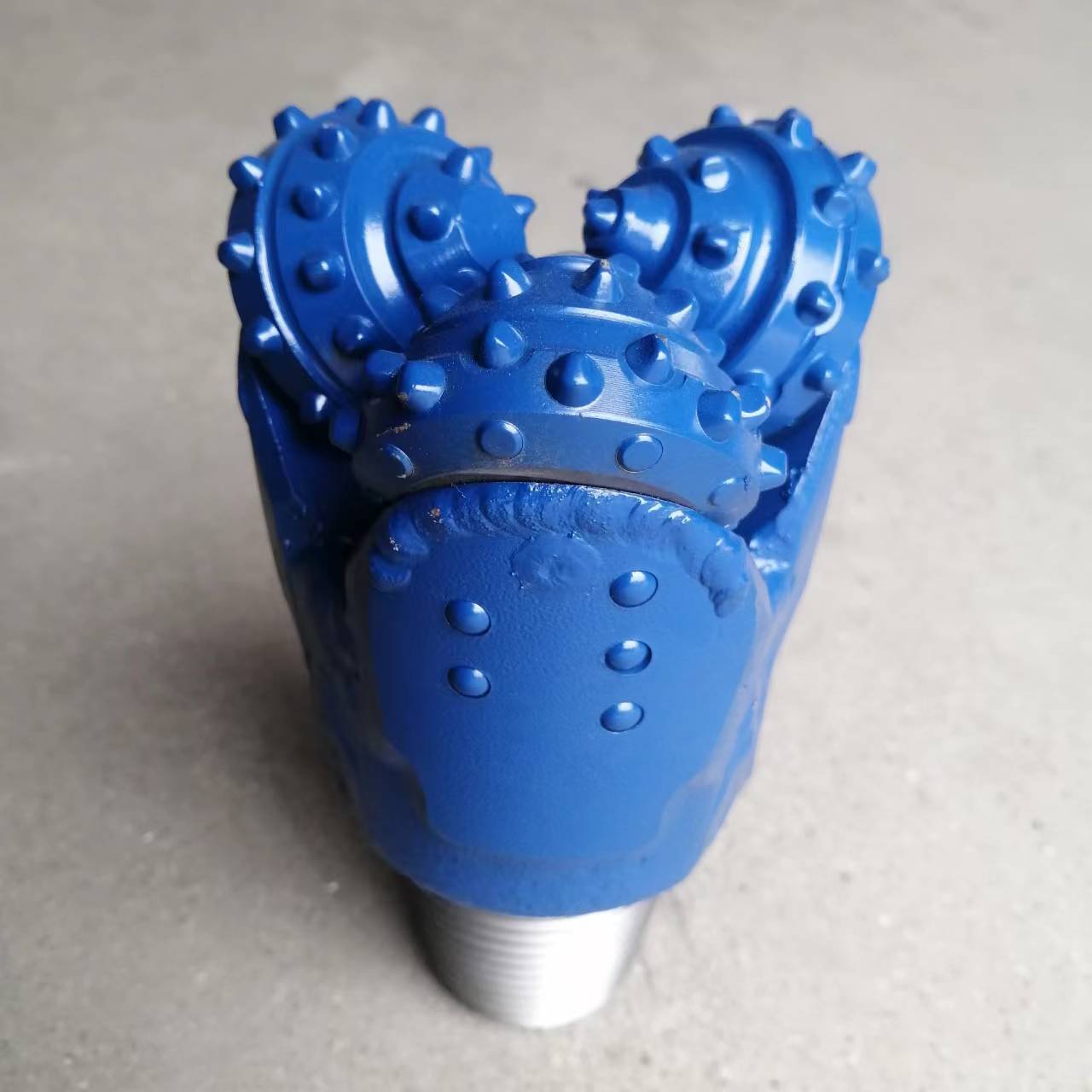
This is the most common trap. Cheap drill bits usually come with poor wear resistance and short bearing life. The time and labor costs spent on frequent trips (tripping in and out) far exceed the price difference between a high-quality drill bit and a cheap one.
Many engineers choose a drill bit based solely on the average hardness of the target formation. If you overlook layers of hard chert, quartz sandstone, or soft mudstone mixed into the formation, you'll end up with chipped teeth on a TCI drill bit at best, or a "balled-up" steel-tooth drill bit at worst.
In deep or directional wells, standard roller bearings easily fail due to high temperatures and pressures. For high-hardness, high-temperature formations, you must use rubber-sealed journal bearings or metal-sealed bearings. Otherwise, if the bearing seizes up and a cone falls off, you're looking at a nightmare of a downhole fishing job.
Steel-tooth (milled-tooth) drill bits crush rock through a gouging and scraping action, making them perfect for soft to medium-soft formations.
TCI (Tungsten Carbide Insert) drill bits crush and impact rock, making them ideal for medium-hard to ultra-hard formations.
If you run a steel-tooth drill bit in a highly abrasive, hard formation, the teeth will get ground flat in no time.
Some formations, like quartz-heavy sandstone, might not be super hard, but they are incredibly abrasive. If you don't pick a drill bit with reinforced gauge protection, the drill bit's diameter will shrink as you drill. This causes an "undergauge hole," which spells major trouble for subsequent tripping and casing operations.
Cleaning the drill bit depends entirely on the mud nozzles. If you choose the wrong nozzle sizes, you won't get enough hydraulic horsepower. The cuttings won't get cleared out in time, leading to secondary recycling (re-cutting) of the rock chips, which drastically slows down your ROP.
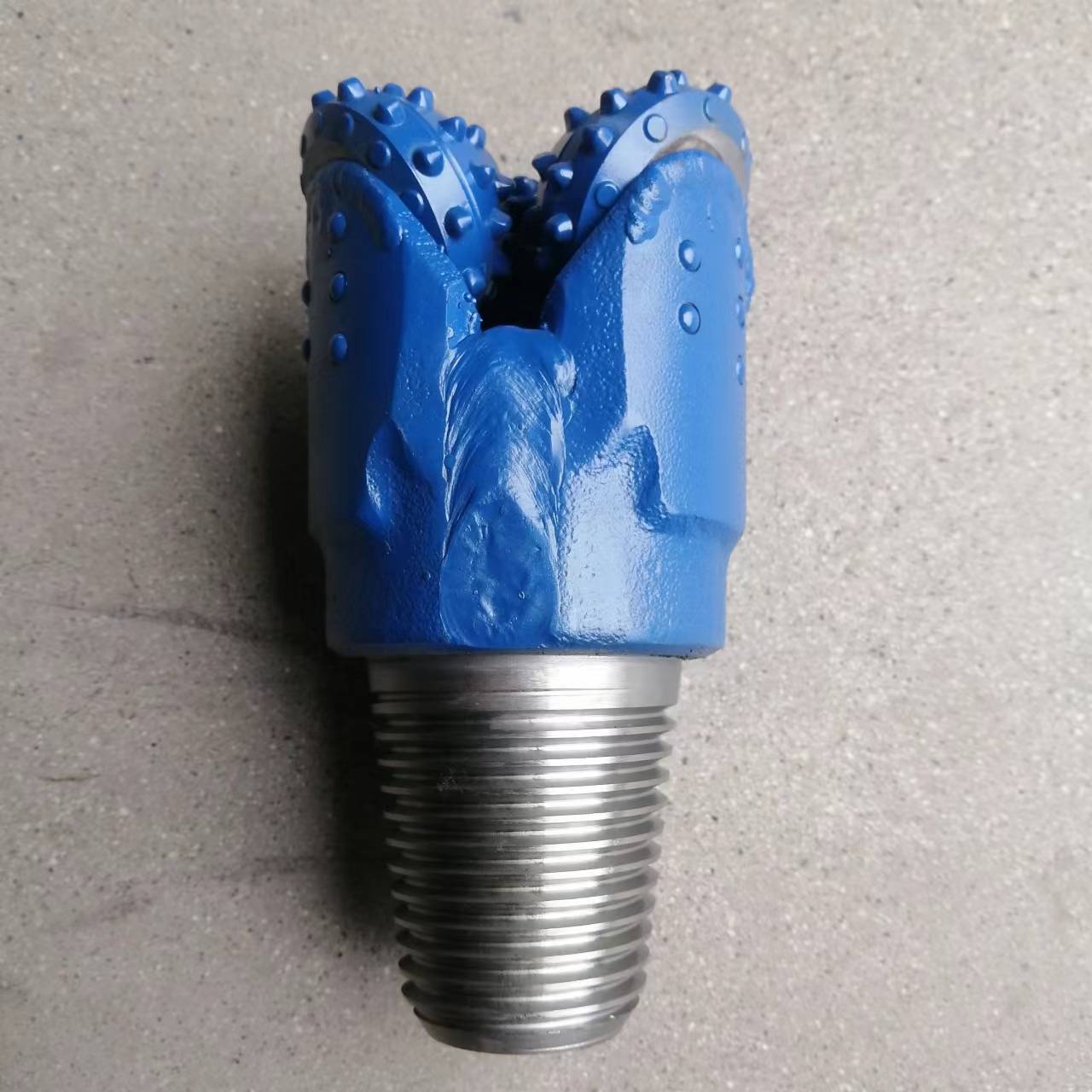
Every drill bit has its own recommended range for Weight on Bit (WOB) and Revolutions Per Minute (RPM). Crank up the WOB blindly just to chase a quick bump in drilling speed, and you'll end up overloading the bearings or snapping the tooth inserts.
Thinking "it worked great next door, so it'll definitely work here" is a classic copy-paste trap. Geology is full of surprises—changes in faults and formation dip angles can completely change how easy the rock is to drill. You always need to fine-tune your choice based on the latest logging data.
When drilling through clay layers with high-density, high-viscosity mud, you can easily end up with a "balled-up" drill bit if you don't choose a drill bit with an asymmetrical nozzle layout or a center nozzle.
Buying a drill bit isn't just about buying a piece of hardware; it's about buying the service that comes with it. Suppliers that don't offer pre-well formation analysis or post-run dull grading (per IADC codes) can't help you optimize your next run.
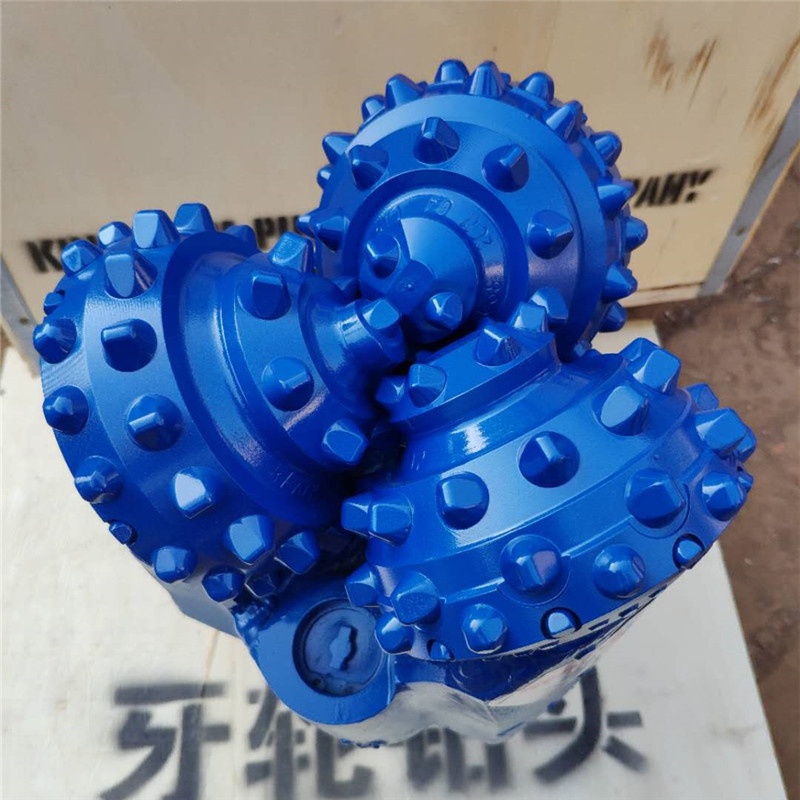
When it comes to tackling these selection headaches, international brands like Pearldrill offer complete, systematic solutions. Pearldrill's tricone drill bit lineup performs exceptionally well in "interbedded formations" and "highly abrasive formations."
Their TCI series uses an exclusive, high-toughness tungsten carbide insert formula, which dramatically cuts down on broken teeth caused by sudden formation changes. At the same time, Pearldrill's optimized oil compensator design and premium metal seal technology ensure an ultra-long bearing life under high temperatures and high RPMs. For specific regions—like drilling in the Middle Eastern deserts or complex formations in Southeast Asia—Pearldrill can even customize nozzle flow paths to eliminate drill bit balling, making them the perfect choice for teams focused on high ROI.
Formation Hardness Class
Recommended Tricone Bit Type
Key Design Features (Must-Know to Avoid Mistakes)
Typical Wrong Application Scenario
Soft Formations (e.g., Clay, Shale, Gypsum)
Milled-Tooth (Steel-Tooth) Bits (IADC 111 - 131)
Long teeth, wide tooth spacing, large cone offset (for maximum scraping action)
Accidentally using a TCI drill bit, resulting in an incredibly low ROP.
Medium Formations (e.g., Limestone, Dolomite, Sandstone)
Wide-spaced TCI Bits / Fine-tooth Steel Bits (IADC 211 / 517 - 537)
Moderate cone offset, using a mix of conical or chisel inserts
Ignoring formation abrasiveness and forgetting gauge protection, causing the drill bit to lose its gauge.
Hard Formations (e.g., Hard Limestone, Chert, Granite)
Dense-Insert TCI Bits (IADC 737 - 837)
No cone offset (pure rolling and crushing action), high-density ball/spherical inserts, reinforced bearings
Blindly chasing high RPMs, which overheats and seizes the bearings, or shatters the inserts.
Summary:
Scientific tricone drill bit selection is all about finding the sweet spot between formation drillability, drill bit structure, and hydraulics. By steering clear of these 10 common mistakes and bringing in a technically backed brand like Pearldrill for critical jobs, you can truly cut costs, boost efficiency, and keep your downhole operations safe.
Click The Link Below to Contact Us Today, And We Will Find The Perfect Drilling Solution For You!
Contact: Mr Chen
Phone: +86 13874354330
Tel: +86 746 8323309
Email: pearldrill02@guangzhouintl.com
Add: 3rd Floor, Wanli Market, Fenghuang Road, Lengshuitan District, Yongzhou City ,Hunan Province China
